SE02-530 SE02-530 |
ncRNAs in Abiotic Stress Tolerance in Plants |
| |
Muhammad Waseem/ 9781032951140/ Price:GBP 171.99
|
| |
|
|
|
|
| |
|
| SE02-530 |
Microbial Synergies: Advanced Strategies for Plant Stress Alleviation |
| |
Ramses Ramon Gonzalez-Estrada/ 9781041011446/ Price:GBP 124.99
|
| |
|
|
|
|
| |
|
| SE02-530 |
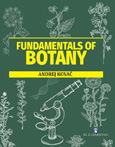
Fundamentals of Botany |
| |
Andrej Kovac/ 9781984621900/ Price:US$ 180.00
|
| |
|
|
Introduces plant anatomy, physiology, classification, and reproduction.
Discusses photosynthesis, transpiration, and plant growth regulators.
Includes practical insights into plant identification and botanical fieldwork. |
| |
|
| SE02-529 |
Botanical Extracts: Research Methods and Applications in Pharmaceuticals Sciences |
| |
Arshad Farid/ 9781041120445/ Price:GBP 124.99
|
| |
|
|
|
|
| |
|
| SE02-528 |
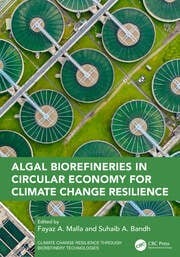
Algal Biorefineries in Circular Economy for Climate Change Resilience |
| |
Fayaz A. Malla/ 9781032842851/ Price:GBP 103.99
|
| |
|
|
|
| |
|
| SE02-528 |
Green Biotechnology for Herbal and Medicinal Plant Metabolites |
| |
Sachidanand Singh/ 9781032492667/ Price:GBP 145.99
|
| |
|
|
|
| |
|
| SE02-528 |
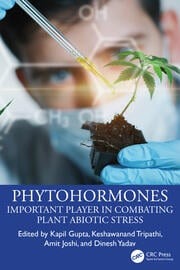
Phytohormones: Important Player in Combating Plant Abiotic Stress |
| |
Kapil Gupta/ 9781032478685/ Price:GBP 124.99
|
| |
|
|
|
| |
|
| SE02-528 |
Plant Virus Management through Genome Editing: Innovations and Applications |
| |
Susheel Kumar/ 9781041205623/ Price:GBP 124.99
|
| |
|
|
|
| |
|
| SE02-528 |
Plant Biotechnology: The Medicinal and Phytopharmaceutical Aspects |
| |
Deependra Singh/ 9781032354460/ Price:GBP 145.99
|
| |
|
|
|
| |
|
| SE02-528 |
Phytomelatonin: Regulating Development and Stress Protection in Plants |
| |
Chirag Maheshwari/ 9781032863696/ Price:GBP 124.99
|
| |
|
|
|
| |
|
| |
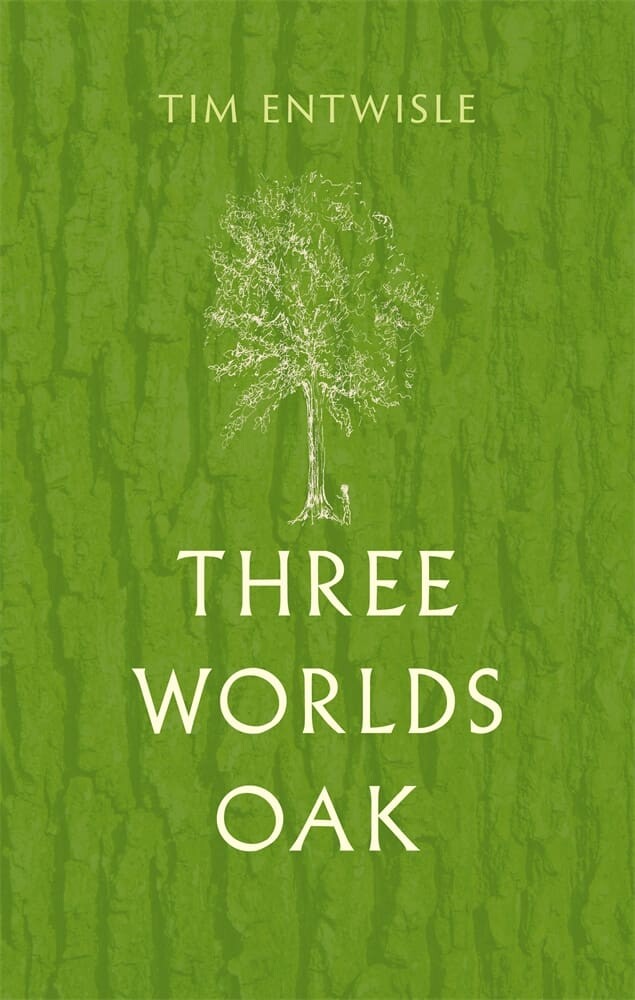
Three Worlds Oak |
| |
Tim Entwisle/ 9781836392774/ Price:GBP 18.99
|
| |
|
|
A dying hybrid oak in Melbourne’s Royal Botanic Gardens sets off on an imaginative search for its parents, and in doing so reveals the extraordinary diversity of the genus Quercus. From the Himalaya to Mexico, from knee-high scrub to rainforest giants, more than four hundred species of oak shape landscapes, cultures and histories. Their leaves can blaze red and gold, acorns can be the size of a hand, and while only a few cross the equator to the south others survive in mountains to 4,000 metres. With specially drawn illustrations, this witty and uniquely eccentric memoir shows there is far more to oaks than the familiar English tree, inviting readers to look anew at one of the world’s most beloved plants.
|
| |
|
| SE02-524 |
Advanced Morphology of Angiosperm |
| |
Jaykumar Deshmukh/ 9781779563668/ Price:US$ 175.00
|
| |
|
|
This book explores the advanced morphology of angiosperms, focusing on the structural adaptations that facilitate diverse ecological interactions and evolutionary success. By examining floral structures, leaf architecture, and root systems, we highlight the functional significance of these traits in optimizing photosynthesis, reproduction, and resource acquisition. The book integrates comparative analyses across various angiosperm families, revealing patterns of morphological variation linked to environmental factors and evolutionary pressures. Additionally, we discuss implications for biodiversity conservation and plant systematics, emphasizing the importance of understanding morphological diversity in addressing ecological challenges and fostering sustainable management practices in changing environments. |
| |
|
| SE02-524 |
Plants and Pollutants |
| |
Kamlesh Bilgaiyan/ 9781779564740/ Price:US$ 175.00
|
| |
|
|
Plants interact with pollutants in complex ways, serving both as indicators of environmental health and as tools for remediation. This book explores how plants respond to and mitigate pollutants, including heavy metals, air pollutants, and pesticides. It examines mechanisms of phytoremediation and their applications in restoring ecosystems, illustrating the potential and limitations of using plants in environmental management. This book is a critical resource for environmental scientists, ecologists, and researchers in plant sciences. |
| |
|
| |
Eucalyptus |
| |
Stephen D. Hopper/ 9781836391111/ Price:GBP 18.00
|
| |
|
|
Eucalypts, iconic to Australia, have shaped art, science and landscapes worldwide. With around nine hundred species, from towering giants to compact mallees, these trees inspire awe and curiosity. Their hardwood has driven industries, sparked protests and even toppled governments. Their aromatic leaves hold healing properties yet fuel devastating wildfires.
This book blends Aboriginal knowledge and Western science to uncover the rich natural history, biology and conservation of eucalypts. It explores their evolution, cultural significance and surprising roles in modern life, offering insights into sustainable ways to coexist with these remarkable trees. Featuring stunning photographs from fifty years of fieldwork, this is the first comprehensive review of Aboriginal eucalypt wisdom, paired with cutting-edge scientific discoveries. |
| |
|
| SE02-528 |
Plant Tissue Culture: Relevance to Propagation, Conservation and Crop Improvement |
| |
Esha rami/ 9781774698037/ Price:US$ 175.00
|
| |
|
|
Plant tissue culture is a potent technology that enables researchers to work with plant cells and tissues under carefully controlled conditions. Its uses include the industrial manufacturing of valuable substances, the preservation of endangered species, genetic editing, and mass plant reproduction. This method has transformed plant science and has had a significant impact on biotechnology, horticulture, and agriculture. “Plant tissue culture : Relevance to Propagation, conservation and crop improvement” is a comprehensive book that explores the principles, techniques, and applications of plant tissue culture. It provides a detailed overview of the fundamental concepts underlying tissue culture, Molecular Markers, Stress tolerance and Mutation breeding. Furthermore, the book highlights the importance of plant tissue culture and Nanotechnology and tissue culture. This book will be equally useful to readers from a variety of backgrounds, including researchers, instructors, students, and biological scientists. |
| |
|
| SE02-517 |
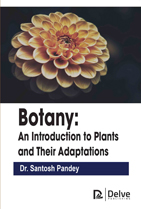
Botany: An Introduction to Plants and Their Adaptations |
| |
Santosh Pandey/ 9781774699522/ Price:US$ 175.00
|
| |
|
|
This book is a comprehensive guide that aims to educate readers about the fascinating world of plants. The book's main objective is to provide a clear understanding of plant biology, including their structures, functions, and adaptations. Through rich content and detailed illustrations, it explores various aspects of plant life, from their cellular makeup to their role in ecosystems. By delving into topics such as photosynthesis, reproduction, and plant diversity, this book aims to foster a deeper appreciation for the intricate beauty and importance of plants in our world. Whether you're a student, researcher, or simply curious about botany, this book is an invaluable resource that will broaden your knowledge and inspire a greater love for the plant kingdom. |
| |
|
| SE02-517 |
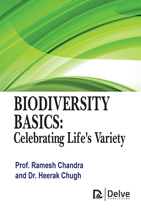
Biodiversity Basics: Celebrating Life's Variety |
| |
Ramesh Chandra/ 9781774699485/ Price:US$ 175.00
|
| |
|
|
The objective of the book "Biodiversity Basics: Celebrating Life's Variety" is to raise awareness and appreciation for the richness and importance of Earth's biodiversity. Through its pages, readers are taken on a journey to explore the incredible variety of species, ecosystems, and interactions that make up our planet's web of life. The book aims to educate and inspire individuals to become advocates for biodiversity conservation and sustainable living. It delves into the significance of biodiversity in providing essential ecosystem services, fostering resilience, and contributing to human well-being. Ultimately, "Biodiversity Basics" seeks to ignite a sense of wonder and responsibility towards protecting and preserving our planet's precious biodiversity for future generations. |
| |
|
| SE02-517 |
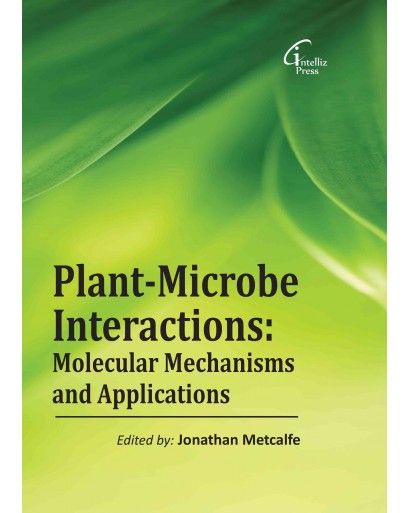
Plant-Microbe Interactions: Molecular Mechanisms and Applications |
| |
Jonathan Metcalfe/ 9781682519523/ Price:US$ 160.00
|
| |
|
|
Plants engage in complex interactions with microorganisms, including bacteria, fungi, and viruses. These interactions can be symbiotic, where both the plant and microbe benefit, or pathogenic, leading to plant diseases. Understanding and manipulating these interactions can have significant implications for agriculture, as beneficial microbes can enhance plant growth and disease resistance, while harmful microbes can devastate crops. This book deals with the complex interactions between plants and microorganisms, examining their mutualistic, pathogenic, and symbiotic relationships and their implications for plant health. |
| |
|
| SE02-517 |
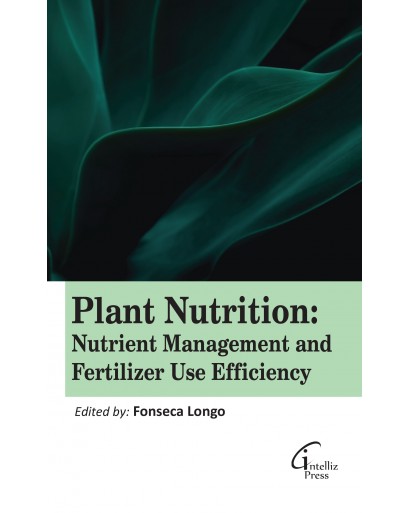
Plant Nutrition: Nutrient Management and Fertilizer Use Efficiency |
| |
Fonseca Longo/ 9781682519516/ Price:US$ 160.00
|
| |
|
|
roper nutrient management is essential for maximizing crop productivity while minimizing environmental impact. By carefully balancing nutrient inputs, such as nitrogen, phosphorus, and potassium, farmers can enhance fertilizer use efficiency, reduce nutrient runoff, and protect water quality. Techniques like soil testing, crop nutrient monitoring, and precision application technologies aid in achieving optimal nutrient management. This book focuses on effective strategies to manage nutrients and improve fertilizer usage, maximizing agricultural productivity while minimizing environmental impact. |
| |
|
| SE02-517 |
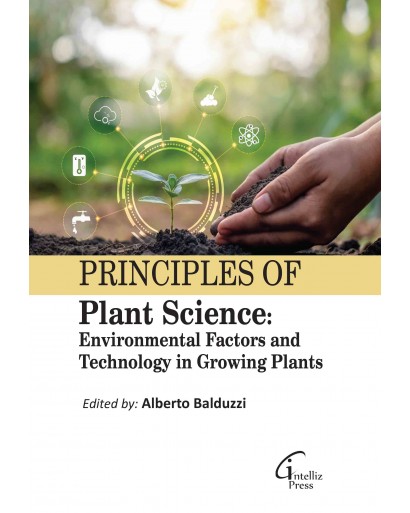
Principles of Plant Science: Environmental Factors and Technology in Growing Plants |
| |
Alberto Balduzzi/ 9781682519509/ Price:US$ 160.00
|
| |
|
|
Environmental factors such as light, temperature, and humidity play a crucial role in the growth and development of plants. Advances in technology, such as precision agriculture and controlled environment agriculture, enable growers to monitor and manipulate these factors to optimize plant growth and increase crop yields. This book explores the intricate relationship between environmental factors and advanced technologies to optimize plant growth and yield. |
| |
|
| SE02-517 |
Illustrated Dictionary of Plants |
| |
Aylin Salici/ 9781984688286/ Price:US$ 65.00
|
| |
|
|
Provides information on various plant species, including their botanical names, common names, descriptions, and characteristics.
It serves as a valuable resource for botanists, horticulturists, gardeners, and plant enthusiasts, helping them identify and learn about different plants and their uses in various contexts such as gardening, landscaping, and herbal medicine.
Third edition of this dictionary incorporates many new definitions and a thorough revision of previous entries and an ideal resource for learners at all levels. |
| |
|
| SE02-517 |
Illustrated Dictionary of Botany |
| |
Bruno Falissard/ 9781984688347/ Price:US$ 65.00
|
| |
|
|
Provides definitions and explanations of botanical terms and concepts used in the field of botany.
It covers a wide range of topics including plant anatomy, taxonomy, physiology, ecology, genetics, and plant diseases, making it a valuable resource for students, researchers, and professionals in the field of botany.
Third edition of this dictionary incorporates many new definitions and a thorough revision of previous entries and an ideal resource for learners at all levels. |
| |
|
| SE02-517 |
Concepts of Plant Anatomy (with Access code) |
| |
Chris Fayose/ 9781984688415/ Price:US$ 95.00
|
| |
|
|
The book Concepts of Plant Anatomy (2nd Edition) provides a comprehensive and accessible introduction to the study of plant anatomy, covering the structure and organization of plants at a cellular and tissue level.
It explores key concepts and principles of plant anatomy, including plant cell structure, tissue systems, and the anatomy of various plant organs such as roots, stems, leaves, flowers, and fruits, making it an essential resource for students and researchers in botany and plant sciences.
In its updated edition, this book has been extensively revised on a chapter by chapter basis. Some new chapters are also added. |
| |
|
| SE02-517 |
Plant Taxonomy (with Access code) |
| |
Gabriella Saviano/ 9781984688873/ Price:US$ 95.00
|
| |
|
|
An informative and comprehensive guide that explores the classification and identification of plant species, making it an invaluable resource for botanists and nature enthusiasts alike.
With detailed descriptions and illustrations, it offers a deeper understanding of the fascinating world of plants and their diverse taxonomy.
In its updated edition, this book has been extensively revised on a chapter by chapter basis. Some new chapters are also added. |
| |
|
| SE02-517 |
3GE Collection on Agriculture: An Introduction to Permaculture |
| |
Nicolas Margas/ 9781984689832/ Price:US$ 160.00
|
| |
|
|
Covers the principles and practices of sustainable agriculture and ecological design.
It explores the concept of designing systems that mimic natural patterns to create regenerative and self-sustaining environments.
With practical examples and insightful explanations, this book empowers readers to embrace permaculture as a transformative tool for cultivating abundance and harmony in their own lives and the world around them. |
| |
|
| SE02-517 |
3GE Collection on Agriculture: Nanotechnology and Plant Science |
| |
Nike Walter/ 9781984689856/ Price:US$ 160.00
|
| |
|
|
Explores the fascinating intersection of two fields, revealing the potential of nanotechnology in revolutionizing plant science research.
From enhancing crop productivity to enabling targeted delivery of nutrients, this book offers a comprehensive overview of the latest advancements and their implications for sustainable agriculture. |
| |
|
| SE02-517 |
Illustrated Handbook of Applications of Atomic Energy in Plant Science |
| |
Rentian Shu/ 9781984690111/ Price:US$ 180.00
|
| |
|
|
This book is an indispensable guide for researchers and scientists in the field. It offers a comprehensive exploration of the diverse applications of atomic energy in plant biology.
From radiotracer techniques to mutation breeding and nuclear imaging, this book provides a wealth of knowledge to enhance our understanding of plant physiology and genetics.
With its detailed explanations and practical examples, the handbook serves as a valuable resource for advancing agricultural and environmental practices. |
| |
|
| SE02-517 |
Illustrated Handbook of Nanoagronomy |
| |
Reyhan Erdogan/ 9781984690128/ Price:US$ 180.00
|
| |
|
|
From crop production to soil management, this book explores the potential of nanomaterials to revolutionize the agricultural industry.
With in-depth explanations and practical examples, it equips readers with the knowledge to harness the power of nanotechnology for sustainable and efficient farming practices.
Handbook of Nanoagronomy is an essential resource for researchers, students, and professionals seeking to stay at the forefront of agricultural advancements. |
| |
|
| SE02-517 |
Basics of Plant Science |
| |
3G Editorial Board/ 9781984685735/ Price:US$ 70.00
|
| |
|
|
A comprehensive guide for anyone interested in understanding the fundamental concepts of plant biology.
Covers different topics such as plant anatomy, physiology, ecology, genetics, and evolution in a clear and concise manner.
With its engaging writing style and helpful illustrations, it is an excellent resource for students. |
| |
|
| SE02-517 |
Bacteriology in Terms of Structure, Reproduction, Plant Diseases and Management |
| |
Dnyaneshwar M. Pawar/ 9781774697986/ Price:US$ 175.00
|
| |
|
|
Bacteria are the most abundant, versatile, and oldest organisms on earth. They play vital roles in the world’s ecology and inhuman industry and medicine. In this book, we present an introduction to some of the basic principles of bacteriology. We describe molecular genetics regarding bacteria and how to interact between plants and bacteria. Some bacteria, like plant growth-promoting rhizobacteria (PGPR), play an important role in sustainable and safe agriculture. The various classes of antibiotics, their mechanisms of action, and the nature of bacterial resistance are discussed. We designate the various mechanisms of gene transfer in bacteria including the manipulation of DNA in vitro. We describe phytopathogenic bacteria and phytoplasmas diseases and their importance. We define some bacteria that play a significant role in crop protection from environmental stress (PGPR), biofertilizers, biopesticide and improve crop yield. |
| |
|
| SE02-517 |
Advances in Plant Cold Hardiness |
| |
Hazem Shawky Fouda/ 9781774697962/ Price:US$ 175.00
|
| |
|
|
The negative consequences of abiotic stress are a significant contributor to the worldwide decline in agricultural production. The severe abiotic stress of cold has an impact on the total output of the world's agriculture sector. Temperatures that are too low have an effect on the global distribution, growth, and development of species that are used in agriculture. The economic viability of agricultural output is greatly jeopardized when it is subjected to the stress of cold. The cold stress could lead to significant losses in agricultural production. This work reviews and analyzes a wide range of prior studies in order to gain a deeper comprehension of the physiological and genetic factors that contribute to cold tolerance in plant species. This article discusses recent developments in the study of genes that contribute to freezing tolerance as well as the mechanisms that are involved in gene regulation and signal transmission at low temperatures. The mechanisms that are discussed in this article include freezing tolerance, gene regulation, and signal transmission. The Arabidopsis plant contains a transcription factor family called CBF/DREB1; this family makes the Arabidopsis plant more resistant to the effects of freezing temperatures on other plants. The specifics of how this mechanism works are already well understood. This research looked into a variety of novel strategies, including the application of molybdenum, for enhancing the cold tolerance of plants. With the assistance of infrared cameras, it has also been feasible to examine the effects that low temperatures have on plants. |
| |
|
| SE02-517 |
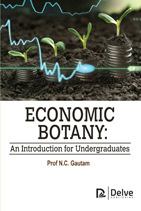
Economic Botany: An Introduction for Undergraduates |
| |
N.C. Gautam/ 9781774698006/ Price:US$ 175.00
|
| |
|
|
This book contains the most up-to-date data on the most important crops grown in various regions. Extensive discussion is given to the origins of agriculture, the evolution of agricultural plants, the discovery of plants, the migration of plants, the domestication of plants, and the proliferation of plants. Following a study of the ancestry and diversification of cultivated plants, we turn to a review of tropical, subtropical, and temperate crops used for food, beverages, spices, and medicines, as well as plant insecticides, timber plants, and essential oil-producing plants. Products from these crops range from food and drink to spices and even medicine. Plants that are used to make essential oils are also discussed. The beneficial impacts of a number of plants are examined in light of their unique genetic and evolutionary properties. Commercially important subtropical and temperate plants, as well as petro-crops, ethnobotanical studies, and biodiversity conservation, are discussed in this volume. The most important plant species belonging to each group are identified, and their significance is discussed at length. This book is an excellent resource for students of botany, food science, nutrition, forestry, agriculture, horticulture, plant breeding, and environmental science. One of the book's strongest selling qualities is that it was written by a person who has devoted their entire life to the field of economic botany. Extensive photographs and line drawings are provided, all of which include descriptive captions. |
| |
|
| SE02-517 |
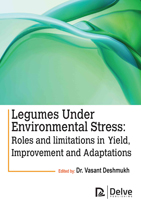
Legumes Under Environmental Stress: Roles and Limitations in Yield, Improvement and Adaptations |
| |
Vasant Deshmukh/ 9781774698020/ Price:US$ 175.00
|
| |
|
|
"Legumes Under Environmental Stress: Roles and Limitations in Yield Improvement and Adaptations" is a comprehensive book that explores the complex relationship between legume crops and environmental stress factors. Legumes, including various species of beans, peas, lentils, and soybeans, play a crucial role in global agriculture due to their high nutritional value, ability to fix nitrogen, and soil fertility improvement. However, legume crops are highly susceptible to environmental stressors such as drought, heat, salinity, and various biotic stresses, which can significantly reduce their productivity and threaten food security. This book delves into the multifaceted aspects of legume crops under environmental stress, highlighting their physiological, biochemical, and molecular responses to adverse conditions. It presents an in-depth analysis of the limitations faced by legumes in maintaining optimal growth and yield under stress, while also exploring the potential roles and adaptations that can enhance their resilience and productivity. The chapters of this book cover a wide range of topics, including insights on legume proteins, genetic and genomic approaches for stress tolerance improvement, physiological and biochemical responses to environmental stress, future prospects of legume in cropping system for sustainable cultivation. It also discusses emerging technologies and breeding strategies for developing stress-tolerant legume varieties. |
| |
|
| |
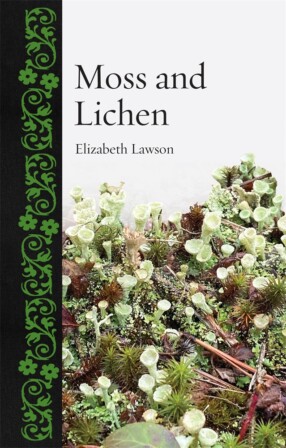
Moss and Lichen |
| |
Elizabeth Lawson/ 9781789149395/ Price:GBP 18.00
|
| |
|
|
This book is a fascinating exploration of mosses and lichens, celebrating the extraordinary biology, beauty and resilience of these unassuming organisms. Endowed with unique superpowers, from enduring desiccation to thriving in extreme habitats, mosses and lichens defy easy categorization. Mosses, integral to the plant kingdom, and lichens, a kingdom unto themselves, colonize a great variety of landscapes, from rainforests to deserts and urban pavements. Neglected in the past for their lack of flowers, these organisms now garner recognition for their significant role in maintaining the health of our world’s ecosystem. Elizabeth Lawson’s book shows how they shape landscapes, prevent erosion and sequester carbon, and surveys the biologists, artists and writers who celebrate their importance. Moss and Lichen inspires a newfound appreciation for these unsung heroes of the natural world. |
| |
|
| |
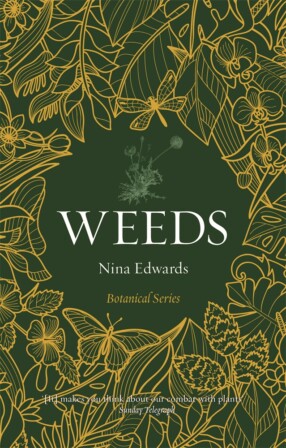
Weeds |
| |
Nina Edwards/ 9781789149586/ Price:GBP 15.95
|
| |
|
|
To most of us, weeds can seem nothing more than intruders in gardens, farms and city streets. But the idea of the weed is a slippery one, constantly changing according to different needs, fashions and contexts. In a well-ordered field of corn, a scarlet poppy is a bright red intruder, but in other parts of the world it is an important cultural symbol, a potent and lucrative pharmaceutical source, or simply a beautiful ornament. Fat hen, which today we consider a pest, was in Neolithic times a staple crop, its seeds an important source of nutrition. Weeds sketches the history of the fashions and attitudes that have shaped our fields and gardens, showing that what we keep out of them is just as fascinating as what we put in. |
| |
|
| |
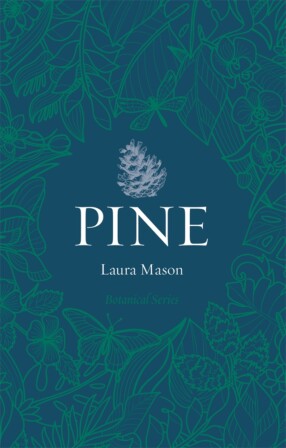
Pine |
| |
Laura Mason/ 9781789148664/ Price:GBP 15.95
|
| |
|
|
Pine trees, admired for their resilience, have been the subjects of artists for centuries, symbolizing wisdom and longevity in China and Japan. Their symbolic significance spans cultures and time, from classical worshippers of Bacchus to inspiring the establishment of national parks in North America. The natural history of pines showcases their ability to thrive in challenging environments, fascinating scientists. Their resin provides adhesives, waterproofing agents, and medicines, while their wood is ubiquitous in buildings, furniture, and paper pulp. Their cones fascinate with intricate shapes and offer pine nuts for both animals and humans. Throughout history, pines have inspired artists, writers, and photographers. Beautifully illustrated, Pine explores the rich inspiration and practical uses of these rugged, aromatic trees. |
| |
|
| SE02-518 |
Ethylene in Plant Biology |
| |
Samiksha Singh/ 9781119744689/ Price:US$ 200.95
|
| |
|
|
|
| |
|
| SE02-515 |
Mathematical Macroevolution in Diatom Research |
| |
Janice L. Pappas/ 9781119749851/ Price:US$ 260.95
|
| |
|
|
|
| |
|
| SE02-511 |
3GE Collection on Agriculture: Plant Pathogen Resistance Biotechnology |
| |
3G Editorial Board/ 9781984680846/ Price:US$ 160.00
|
| |
|
|
Discusses the key approaches to managing each group of pathogens within the context of recent developments in biotechnology.
Examine the most recent developments in molecular plant pathology.
This book also covers biological mechanisms underpinning disease resistance in plants.
|
| |
|
| SE02-511 |
3GE Collection on Agriculture: Technological Advancements in Plant Sciences |
| |
3G Editorial Board/ 9781984680853/ Price:US$ 160.00
|
| |
|
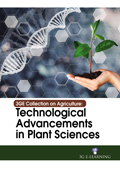
|
Covers latest developments in the important field of plant biology/science from around the world.
This book will be a valuable resource to students and researchers in the field of cutting-edge plant omics.
This book presents an overview of the latest advances and developments in plant biotechnology. |
| |
|
| SE02-511 |
The Science of Plants |
| |
Indrachand Chavan/ 9781774695135/ Price:US$ 175.00
|
| |
|
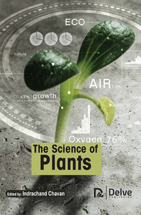
|
This book sheds light on New Age Molecular Techniques, Transgenic plants, Plant Metabolomics, Plant Phosphate Nutrition and Environmental Challenges, Improving Nitrogen and Phosphorous efficiency for optimal yield and growth, Nanotechnology in Agriculture, and Miscellaneous Neglected and Underutilized Legume Crops. The first chapter introduces the readers to Molecular Techniques. This chapter will also emphasize on the concept of Molecular Marker Analysis, DNA Sequencing, Genetic Linkage Mapping, Marker Assisted Selection, Omic technologies and Bioinformatic Analyses. The second chapter provides an overview of transgenic plants while thirst chapter covers plant metabolomics. The fourth chapter takes the readers to Plant Phosphate Nutrition and Environmental Challenges. The fifth chapter introduces the readers to Improving Nitrogen and Phosphorous efficiency for optimal growth and yield. The sixth chapter throws light on the role of Nanotechnology in Agriculture. The last chapter of this book sheds lights on Miscellaneous Neglected and Underutilized Legume crops (MNUGLs). This chapter also mentions about some selected MNUGLs, its their genetic potential, their role in sustainable agriculture, etc. This book provides a reference material for UG and PG students, research scholars and science professionals. |
| |
|
| SE02-510 |
Basics of Plant Sciences |
| |
Khushboo Chaudhary/ 9781774695159/ Price:US$ 175.00
|
| |
|
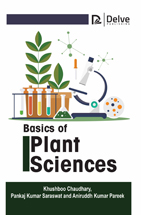
|
Plants are fundamental to all life on Earth. They provide us with food, fuel, fiber, industrial feedstocks, and medicines. Plant science is essential to maintaining the world around us. The topics covered are inclusive but not limited to plant breeding, mode of reproduction in crop plants, plant variation, genetic consequences of self and cross-pollinated crops, male sterility, polyploidy and mutation breeding. The aim of this book is to give a sequential knowledge of plant pathology, plant breeding, plant biochemistry, environmental science and agro-ecology, vegetable production and biostatistics and computers in this book. |
| |
|
| SE02-510 |
Advances in Plant Allelopathy |
| |
Yinglong Chen/ 9781682518953/ Price:US$ 160.00
|
| |
|
|
|
Plant allelopathy is one of the modes of interaction between receptor and donor plants and may exert either positive effects (e.g., for agricultural management, such as weed control, crop protection, or crop re-establishment) or negative effects (e.g., autotoxicity, soil sickness, or biological invasion). To ensure sustainable agricultural development, it is important to exploit cultivation systems that take advantage of the stimulatory/inhibitory influence of allelopathic plants to regulate plant growth and development and to avoid allelopathic autotoxicity. The book covers the latest developments in allelopathy research with a special emphasis on its application in sustainable agriculture. Botanists, horticulturists, biologists, and agriculturists will find the book a good reference book. |
| |
|
| SE02-510 |
Encyclopedia of Medicinal Plants |
| |
Esha Rami/ 9781774693797/ Price:US$ 180.00
|
| |
|
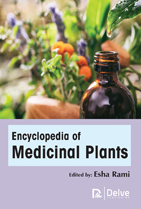
|
This compilation reports different therapeutic plant species, most ordinarily utilized by native persons throughout the planet. The botanical term, family name, dialect name, partly utilized, and the use of the plants have been mentioned in this work. This encyclopedia presents a rundown of restorative plants generally used for relieving disorders, their bioactive elements, and their means of operation. |
| |
|
| SE02-510 |
Encyclopedia of Plants and Flowers |
| |
N.C. Gautam/ 9781774693896/ Price:US$ 175.00
|
| |
|
|
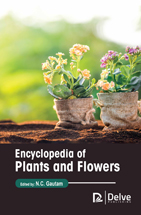
This Plants and Flowers book makes reference to 100s of plants and adorns its pages with great quality pictures, definitions and overall cultivation guidance. It's a truly delightful inventory in digital print. As an amateur studying florae, it is a priceless resource for understanding plant names. It's certainly not going to be comprehensive in a globe of 420,000 types of plant, also mentioning the massive numbers of cultivars and varieties. Notwithstanding, it is loaded with the most common and contemporary domestic plants. The book is divided into different plant types, including trees, bushes, climbers, bulbs, water plants, perennials, annuals and others such as delicate plants and desert flora. It provides a close up of blossoms or leaves and gives a true sense of what the plant resembles. This book is an unquestionable resource for any genuine, novice or master gardeners. Flowering plants are a kind of vascular plant that produces blossoms to reproduce. These plants produce seeds inside a fruit product. The scientific term for blossoming plants is angiosperms. |
| |
|
| SE02-510 |
Principles of Plant Nutrition |
| |
3G Editorial Board/ 9781984680013/ Price:US$ 95.00
|
| |
|
|
Provides a readily accessible source of highly current and reliable information on the nutritional requirements of the most significant crops being cultivated worldwide.
Deals with information on what plants need for normal vigorous growth and development-free of nutritional stress.
In its updated second edition, this book has been extensively revised on a chapter by chapter basis. |
| |
|
| SE02-503 |
Plant Biotechnology |
| |
Gunjan Singh/ 9781774690710/ Price:US$ 160.00
|
| |
|
|
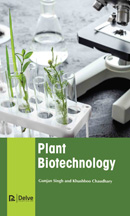
Plant biotechnology complements plant breeding efforts by increasing the diversity of genes and germplasm available for incorporation into crops and by significantly shortening the time required for the production of new cultivars, varieties and hybrids. This book has covered a range of syllabus and the student finds an easy way to go through this book content. This guide book has been prepared for students that they have acquired or gain fair knowledge of Plant biotechnology and easy presentation of language has written for a proper understanding of each and every topic. This book would serve not only for undergraduate but postgraduate students of biotechnology and also research scholar of various universities. |
| |
|
| SE02-503 |
Genome Edited Plants |
| |
Shivsanjeevi Sripathi/ 9781774691618/ Price:US$ 160.00
|
| |
|
|
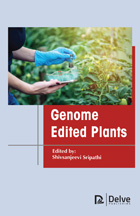
The concept of domesticating plants dates back to ancient times with initial dependence on natural changes and later approaches using mutagenesis. In order to address the issue of food insecurity due to population demands, decrease in arable land (due to excessive human interference) and climate change, the concept of "gene editing" is being pursued among the slew of approaches by researchers. This book comes at a time given that the year 2020 was ten years since the use of homing endonucleases and zinc finger nucleases to produce the first gene-edited plants. The year 2012 saw the emergence of CRISPR/Cas9, which subsequently altered the arena of gene editing to receive "The Nobel Prize in Chemistry, 2020." The book concisely summarizes the concept of genome editing and its relevance in plants along with the approach, as described by research. Latest developments in approaches along with case studies and examples of genome editing have been elucidated. Further, the current scenario of the regulatory checklists across several countries concerning genome-edited plants has also been presented to enable a reader to gain a complete picture. |
| |
|
| SE02-503 |
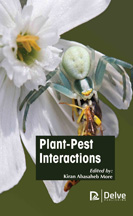
Plant-Pest Interactions |
| |
Kiran Abasaheb More/ 9781774691908/ Price:US$ 160.00
|
| |
|
|
ests and plant interaction is a dynamic system, which is beyond our Imaginations and thoughts in the universe. Plants and insects are highly diverse groups due to their ability to exploit a wide range of niches, from the desert to the arctic zone and also almost all the plant species growing on the planet. Plants and insects make up together approximately half of all known species of multicellular organisms. Each plant interacts with insects in a different manner; insects may act as protection, dispersers, or fertilizers for plants while plants may be a food/energy resource or nest location for insects. In an environment with changing availability and quality of host plants, phytophagous insects are under selection pressure to find quality hosts. They need to maximize their fitness by locating suitable plants and avoiding unsuitable ones. Thus, they have evolved a finely tuned sensory system, for detection of host cues, and a nervous system, capable of integrating inputs from sensory neurons with a high level of spatio-temporal resolution. Insect responses to cues are not fixed but depend on the context in which they are perceived, the physiological state of the insect, and prior learning experiences. However, there are examples of insects making 'mistakes' and being attracted to poor quality hosts. |
| |
|
| SE02-503 |
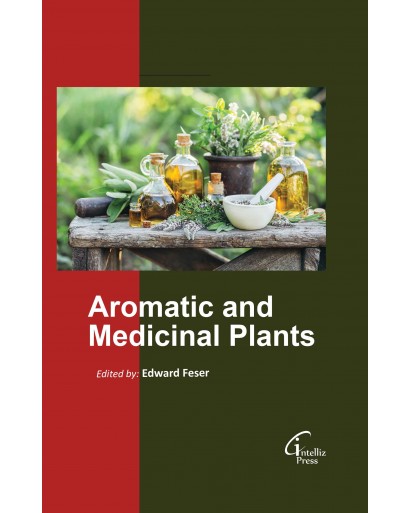
Aromatic and Medicinal Plants |
| |
Edward Feser/ 9781682518243/ Price:US$ 155.00
|
| |
|
|
Plants are a very important source of many products considered as useful for human bodies. Many plant species are used as a source of treatment of various disorders, so these plants are also known as Medicinal and Aromatic plants. The magical compound of medicinal and aromatic plants keeps saving human until present, such as medicine, food, healing, and recreation. Medicinal and aromatic plants (MAPs) have accompanied mankind from its very early beginnings. This book presents a focus on integrated medicine that provides plenty of plants and plant constituent choices for treatment of sickness. It highlights on medicinal and aromatic plants are a good resource to develop new medicine and treat body and mind. |
| |
|
| SE02-503 |
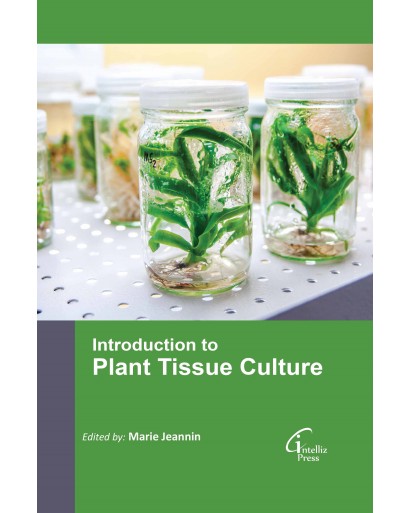
Introduction to Plant Tissue Culture |
| |
Marie Jeannin/ 9781682518106/ Price:US$ 155.00
|
| |
|
|
Plant tissue culture is a technique that has been around for more than 30 years. Tissue culture is seen as an important technology for developing countries for the production of disease-free, high quality planting material and the rapid production of many uniform plants. Tissue culture is a very fast technique. Thousands of plantlets can be produced in a few weeks’ time from a small amount of plant tissue. This book provides an overview on the plant cell culture techniques and plant material options in selecting the explant source. The book covers modern approaches in a practical, step-by-step manner, and includes illustrations and examples to enhance understanding. |
| |
|
| SE02-503 |
Introductory Plant Science (Book with DVD) |
| |
3G Editorial Board/ 9781984658388/ Price:US$ 90.00
|
| |
|
|
Presents a complete introduction to the fascinating world of plant science.
Examines the growth, development and productivity of plants.
Introduces the reader to the dynamic world of plant science by providing the most up-to-date information and technology available. |
| |
|
| SE02-498 |
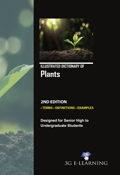
Illustrated Dictionary of Plants |
| |
3G Editorial Board/ 9781984645807/ Price:US$ 55.00
|
| |
|
|
The 2nd edition of this dictionary is an updated compilation of the definitions and explanations of plants related terms together with state-of-the-art scientific and practical terms, presented in an easy-to-use, A-Z order with pictures and figures as well as examples are given to clarify the terms.
Packed with special full-page features on this subject and developed in close consultation with team of experts, this is the ultimate reference tool for students. |
| |
|
| SE02-498 |
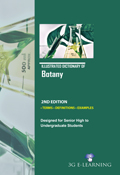
Illustrated Dictionary of Botany |
| |
3G Editorial Board/ 9781984645890/ Price:US$ 55.00
|
| |
|
|
The completely revised and updated edition provides concise definitions and explanations of botany terms together with state-of-the-art scientific and practical terms, presented in an easy-to-use, A-Z order with pictures and figures as well as examples are given to clarify the terms.
Packed with special full-page features on this subject and developed in close consultation with team of experts, this is the ultimate reference tool for Higher Secondary to Undergraduate students. |
| |
|
| SE02-498 |
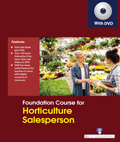
Foundation Course for Horticulture Salesperson (Book with DVD) |
| |
3G Editorial Board/ 9781984646873/ Price:US$ 90.00
|
| |
|
|
This course describes different marketing strategies, used in the horticultural industry.
There are many valuable skills to be learned in this course that will help you market a horticultural enterprise.
Students will learn strategies pertinent to this kind of business. |
| |
|
| SE02-498 |
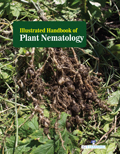
Illustrated Handbook of Plant Nematology |
| |
3G Editorial Board/ 9781984647924/ Price:US$ 160.00
|
| |
|
|
Focuses on the biology of plant parasitic nematodes, their economic relevance and their control.
Students are introduced into nematode structural and functional anatomy, strategies of plant parasitism, the interaction with the host plant, and nematode virus transmission.
Problems of applied plant nematology are discussed and related to the current trends in these fields. |
| |
|
| SE02-497 |
Molecular Markers in Plants |
| |
Eungdo Varamak/ 9781682517796/ Price:US$ 155.00
|
| |
|
|
Genetic markers are held for a detailed investigation of complex questions in quantitative biology. The advent of DNA markers, greatly expanding the number of genetic markers available, is allowing researchers to begin to tap the potential of this technology, to the benefit of both basic biology and agricultural productivity. Molecular markers are widely employed in plant breeding. DNA markers are being used for the acceleration of plant selection through marker-assisted selection (MAS). This book covers state of the art on the current status of marker development technologies for crop improvements. The book addresses the applications of DNA markers to plant breeding. Different types of molecular markers have been developed and advancement in sequencing technologies has geared crop improvement. This book is aimed to keen to students and early researchers with a little or no knowledge of molecular markers recent developments in molecular markers and their applications in plant breeding. |
| |
|
| SE02-497 |
Developments in Plant Genetics |
| |
Cheryl Natividad/ 9781774076354/ Price:US$ 160.00
|
| |
|
|
|
Plant genetics has come a long way from the time Gregor Mendel observed the traits of his pea plants. This book provides a glimpse on the advancements in plant genetics, putting emphasis on the various sequencing technologies that were instrumental in unlocking the plant genome. The plant genome has also lent itself to manipulation and modification, contributing greatly to the body of genetic knowledge as well as producing economically-, nutritionally-, and medically-significant plants. This book compiles and describes these plant genetic engineering and genomic editing approaches. |
| |
|
| SE02-497 |
Plant Growth Promoting Bacteria |
| |
Umaiyal Munusamy/ 9781774076392/ Price:US$ 160.00
|
| |
|
|
|
This book contains 10 chapters and each chapter carries topics related to Plant Growth Promoting Bacteria (PGPB). Chapter 1, mainly describes the basic information of the whole content of plant growth-promoting bacteria (PGPB). In chapter 2, the author has collected the sources of PGPB that available in the natural resources or those bacteria that were already cultivated in the laboratory. In addition, in chapter 3, the author had delineated in detail about the traits that were present in most of the PGPB. Furthermore, in chapter 4, the author has described in detail how the trait that was presented in those PGPB were used in the mechanism of PGPB when it is interconnected with the plants. The author also has shown various types of production systems that can be used to cultivate the natural plant growth-promoting bacteria in chapter 5. Through this system, more and wider application or delivery of PGPB that can be carried out in the natural environment is well described in the chapter 6. The author also defined numerous types of concerns that may arise from the application of PGPB and specific policy that closely related to PGPB in chapter 7 and 8, respectively. Prior to the chapter 10 which conclude the whole content, the author has listed out in chapter 9 the success of PGPB research. The author hope that all readers will gain detailed information about PGPB through reading and referencing this book. |
| |
|
| SE02-497 |
Urban Trees and Greenspace in a Changing Climate |
| |
?Nekesah T. Wafullah/ 9781774076460/ Price:US$ 160.00
|
| |
|
|
|
Cities that pride in only huge concreate structures deny the citizens the benefits of greenspaces. City planning should add green space establishment and maintenance as an important aspect in maintaining a healthy and scenic city. This can be achieved by following simple guidelines in policy, establishment and maintenance. This book shows some policy measures that would encourage participation in funding, establishment and maintain ace of urban greenspaces. The guidelines also show step by step on how to choose greenspace sites, types of trees to choose, establishment and maintenance. The book also provides case studies of restored and maintained green spaces after years of destruction through grabbing and neglect. Green spaces are important for healthy urban community; therefore, each urban authority should aim at providing sufficient greenspaces. |
| |
|
| SE02-497 |
Plant Stress Physiology |
| |
Esha Rami/ 9781774076521/ Price:US$ 160.00
|
| |
|
|
|
The recent past has seen a lot of environmental changes and climate changes that have been very evident. These changes have gone on to create a lot of stress on the various kinds of plants, which has impacted in the way they now grow and breed as compared to the previous times. The book 'Plant stress physiology' deals with this exact subject and informs the readers about the various ways in which the plants adapt themselves to survive the changing environment and climate conditions. It also emphasizes on the common methods used by plants to do so in drastically changing environments. |
| |
|
| SE02-497 |
Plant Molecular Farming |
| |
Rajesh Singh/ 9781774076538/ Price:US$ 160.00
|
| |
|
|
|
In this book, various plant molecular farming strategies to produce commercially viable molecules for industrial and pharmaceutical use are discussed. The book reviews some affordable technologies and strategies being established to increase the production and quality of plant-derived medicines, which are used in the pharmaceutical industry. It also mentions biosafety and regulatory factors, which are essential to eliminate possible health and environmental hazards (when strictly followed), and these are consequently essential to win public recognition, thus guarantee the industry's success. The book focuses on two main issues: the opportunities and challenges presented by contemporary plant molecular farming methods. It presents plant molecular farming as the future of pharmaceuticals industry. |
| |
|
| SE02-497 |
Plant Pigments, Flavors and Textures |
| |
Shobhit Kumar Singh/ 9781774077092/ Price:US$ 160.00
|
| |
|
|
|
The book 'Plant Pigments, Flavors and Textures' talks about the various kinds pigments that are present in the plants and can be extracted from them. The book also informs the readers about the flavors that are present in the plants and explains the different kinds on textures of various kinds of plants. From the book, the readers can get themselves updates about the various kinds of forms in which the plants can be found according to their application and usage. This book provides a deep insight into the various characteristics of the plants so that the readers are fully aware about the areas in which these can be applied. |
| |
|
| SE02-497 |
Grassland Management |
| |
Stephanya Lynn JonasLabee/ 9781774077139/ Price:US$ 160.00
|
| |
|
|
|
The book "Grassland Management" informs the readers about the several aspects related to the management and looking after of the grasslands. Farming as well as cattle rearing requires an intensive care of the various kinds of grasslands. There are several important techniques involved and a lot of study on how to properly manage the grasslands. The study of such a subject gives improved results in agriculture as well as animal husbandry and hence, better returns. This book explains the various important aspects of grassland management to the readers for their benefit. |
| |
|
| SE02-497 |
Greenhouse Design |
| |
Saket Kushwaha/ 9781774076125/ Price:US$ 160.00
|
| |
|
|
|
The concern for the greenhouse emissions and the gases resulting in global warming is rising by every passing day. There has been an emphasis on an increased construction of greenhouses so that there is preservation of the plants and so that the gases released are not harmful for the environment. This book "Greenhouse Design" takes the readers through the various aspects of designing a greenhouse design such as the considerations taken while designing, the goals of designs, the costs involved and the final impact on the environment. |
| |
|
| SE02-497 |
Production Technology of Vegetables and Flowers |
| |
Nekesah T. Wafullah/ 9781774077375/ Price:US$ 160.00
|
| |
|
|
|
Horticulture is labelled a lucrative agribusiness option. However, it's a long walk to lucrative horticulture markets, due to the many requirements that need to be fulfilled. There are so many options in vegetable and fruit production practices that can be easily carried out in an affordable manner to leap the benefits of the horticultural markets. When an entrepreneur engages these practices properly, the farms sustainability is guaranteed. By articulating the kind of product and target market, this book emphasizes the use of integrated pest, disease and weed management to ensure profitability and sustainability of a horticultural farm. This book looks at horticulture production in light of climate change, policy requirement and food security issues that may affect availability of different markets and market strategies. Compliance with Good Agricultural Practices (GAPs) is important to horticulture management and profitability, thus the need to carefully select acceptable production techniques for the target market. |
| |
|
| SE02-497 |
Production Technology of Spices and Herbs and their Benefits |
| |
Nekesah T. Wafullah/ 9781774077382/ Price:US$ 160.00
|
| |
|
|
|
All those spices and herbs in your spice rack can do more than provide calorie-free, natural flavourings to enhance and make food delicious. Spices and herbs provide a variety of health benefits depending on how they are produced, prepared and taken. This book outlines some established health benefits of more than 50 different herbs and spices. It also describes the production of the spices and handling procedures that ensures maximum benefits. In the use of herbs and spices and herbs in food and health benefits, different community are oriented towards some herbs and spices combinations. This book outline how different regions in the world utilizes herbs and spices in food flavouring. Despite the health benefit of the herbs and spices, its crucial also to take precaution especially for pregnant women and people with allergies. |
| |
|
| SE02-497 |
Encyclopedia of Ethnobotany, 3-Vols/Set. |
| |
Akansha Singh/ 9781774078006/ Price:US$ 480.00
|
| |
|
|
|
The encyclopedia of ethnobotany discusses ethnobotanical knowledge of both wild and tamed species, rooted in observations, relationships, needs, and traditional forms of knowledge. The encyclopedia remarks that ethnobotany comes from two words: I) Ethno (meaning "ethnic") referring to people, culture, and collective of beliefs, aesthetics, knowledge, language, and practice, and II) Botany, which is about plants research, from the smallest fern or grass blade to the tallest and oldest tree. Botany covers both wild plant and domesticated species. Domesticated animals are species chosen by humans from wild plant species over time, and then domesticated and trained to best produce: food, fiber, medicine, materials, etc. Domesticated plant species are the subject and purpose of agriculture. This encyclopedia mentions that ethnobotanical knowledge develops over time and is thus always adapting and adding new discoveries, creativity and methods. The encyclopedia also discusses the influence of modern human society on traditional culture and nature's habitats, which has caused loss of specific species and severely damaged communities of bio species (flora, fauna and fungi). It states that displaced or scattered people (who may have experienced multiple generations of observations or customs through oral transmission), eventually lose their ethnobotanical knowledge. But sometimes, as people move around, new relationships with their environment will develop, which creates new or improved ethnobotanical knowledge. |
| |
|
| SE02-497 |
Advancement of Phytoremediation Efficiency |
| |
Khushboo Chaudhary/ 9781774078075/ Price:US$ 160.00
|
| |
|
|
|
This is book is aimed at presenting precise information for undergraduate, post graduate students and also very helpful to research scholars. This book has updated information's on phytoremediation management by using microbes and chelating agents, Fluoride contaminated soil affected crop productivity. It will be a milestone in the current scenario of environmental research on Fluoride pollution in groundwater, soil and its management. This book is an updated document on current research, the latest and cost -effective green technology like phytoremediation. Plants are valuable resources for all living organisms which provide food, medicine, produce oxygen and regulate the water cycle. Fluoride stress has a negative impact on the environment. Its has a direct and indirect effect on human beings and the drastic effect on crop yield. This book describes the development of cost-effective, sustainable and user-friendly technology for the farmers. |
| |
|
| SE02-497 |
Embryology of Plants |
| |
Rajesh Singh/ 9781773610597/ Price:US$ 160.00
|
| |
|
|
This book focuses on the common developmental process and compiles novel tools and methods designed specifically for studying plant embryogenesis. This handy tool is ideally suited to researchers and graduate students seeking a coherent view of current perspectives on embryogenesis and endosperm development in flowering plants. |
| |
|
| |
Ash |
| |
Edward Parker/ 9781789143560/ Price:GBP 20.00
|
| |
|
|
|
Elegant and beautiful, rich in history and supremely useful, the ash tree has played an extraordinary yet largely unrecognised part in shaping both our natural environment and the material culture and beliefs of millions of people around the world. Ash charts the evolution of this magnificent tree, and its 43 species, across the Northern Hemisphere for the past 44 million years. From its significance in ancient Indo-European cultures, to its remarkable properties in treating Alzheimer’s, Parker looks at the botany, cultural history and medicinal uses of the ash tree. He also looks at topical issues, such as the devastating effects that the spread of the emerald ash borer beetle and the ash dieback fungal infection are having on Northern Hemisphere forests. |
| |
|
| |
Cherry |
| |
Constance L. Kirker/ 9781789142822/ Price:GBP 20.00
|
| |
|
|
|
Ripe, sensuous, irresistible: the cherry tree and its stunning blossoms conjure up many literal, metaphorical and visceral sensations. We enjoy cherry picking, a cherry on top, and even, on occasion, to lose one’s cherry. Cherries have been consumed since prehistoric times, reaching great popularity among the ancient Romans. They have come to symbolize such divergent concepts as fertility, innocence and seductiveness, inspiring Dutch still-life paintings, Freudian theory, contemporary pop artists and one of the first food emojis. In Japan and other Asian cultures, the short-lived but beautiful cherry blossoms are important elements throughout art and literature.
In this intriguing natural and cultural history, Constance L. Kirker and Mary Newman recount the origins, legends, celebrations, production and health benefits of this beloved tree. |
| |
|
| |
Encyclopedia of Ethnobotany, Vol 1: Introduction to Ethnobotany |
| |
Akansha Singh/ 9781774078013/ Price:US$ 160.00
|
| |
|
|
|
The book "Introduction to Ethnography" discusses how indigenous people use plants for food, medicine, cultural customs, housing, fuel, and transportation. It discusses the evolution of ethnobotany and the formation of this field over the years. Ethnobotany is described as the study of the connection between people in their indigenous societies and their plant ecosystem. This book aims to study culturally based biological and environmental understanding, cultural perception and perception of the natural world, including related behaviors and activities. It also mentions the naming and classification process of plants by community members, and points out that different communities may use the same plants in different ways. |
| |
|
| |
Encyclopedia of Ethnobotany, Vol 2: Ethnobotany: Medicinal Plants |
| |
Akansha Singh/ 9781774078020/ Price:US$ 160.00
|
| |
|
|
|
This book provides ethnobotanical data about the traditional uses of medicinal plants across the world. This book aims to analyze and evaluate the use of medicinal crops among different groups of people. The book mentions that medicinal plants can be used to treat various diseases, especially respiratory diseases and skin diseases. It discusses the importance of traditional usage of plants to treat and prevent some common and certain rare diseases. There are also medicinal uses of some local plant taxa reported. The book mentions that medicinal plants represent natural remedies for various diseases in indigenous communities. Phytotherapy still maintains an important role in the treatment of ailments in many areas. |
| |
|
| |
Encyclopedia of Ethnobotany, Vol 3: Ethnobotanical Analysis of Wild Food Plants Traditionally Collected and Consumed |
| |
Akansha Singh/ 9781774078037/ Price:US$ 160.00
|
| |
|
|
|
This book provides a quantitative study on the ecological characteristics and seasonal aggregation of wild edible plants in man-made ecosystems; in addition, it discusses systematic research on the seasonal effects of these edible plants on households. This book seeks to establish a theoretical and analytical framework to promote the understanding of growers' collection of wild edible plants, and to obtain empirical evidence about the spatial and cyclical complementarity of man-made ecosystems and subsystems and their impact on food security. The book's findings also reveal that the communities of wild edible plant species are unique in each subsystem and season. Therefore, all subsystems that provide different habitats from land to aquatic organisms are important to ensure the diversity of wild edible plants. |
| |
|
| SE02-490 |
Plants, Biotechnology and Agriculture |
| |
Simmy Dale/ 9781682516409/ Price:US$ 155.00
|
| |
|
|
The aims of applied plant science research for agriculture are to enhance crop yields, improve food quality, and preserve the environment where human beings and other organisms live. Furthermore, food quality will become more important than crop productivity in a wealthy society. From an economic perspective, plant biotechnology offers significant potential for the seed, agrochemical, food processing, and specialty chemical and pharmaceutical industries to develop new products and manufacturing processes. This book covers the foundations for plant biotechnology by outlining the biological aspects including gene structure and expression, and the basic procedures in plant biotechnology of genomics, metabolomics, and transcriptomics. It intends to cover readers with a modern perspective on plants both as biological organisms and useful resources for people to exploit. |
| |
|
| SE02-490 |
Illustrated Habdbook of Transgenic Plants |
| |
3G Editorial Board/ 9781984635440/ Price:US$ 180.00
|
| |
|
|
There is ongoing debate concerning the possible environmental and human health impacts of growing transgenic crops.
Ecologists and other scientists have long expressed concerns about the potential impacts of releasing transgenic crops into the environment.
Provides thorough coverage on methods of plant transformation, biotechnological application of transgenic plants, and future developments. |
| |
|
| SE02-490 |
3GE Collection on Agriculture: Biochemistry and Molecular Biology of Plants |
| |
3G Editorial Board/ 9781984635778/ Price:US$ 160.00
|
| |
|
|
Throughout human history, plants have been the object of pervasive and at times dominant artistic and intellectual interest.
Plant biochemistry is not only an important field of basic science explaining the molecular function of a plant, but is also an applied science that is in the position to contribute to the solution of agricultural and pharmaceutical problems.
This collection is concerned with the processes by which the information encoded in the genome is demonstrated as structures, processes and behaviours. |
| |
|
| SE02-490 |
3GE Collection on Agriculture: The Molecular Basis of Plant Genetic Diversity |
| |
3G Editorial Board/ 9781984635839/ Price:US$ 160.00
|
| |
|
|
The importance of plant genetic diversity (PGD) is now being recognized as a specific area since exploding population with urbanization and decreasing cultivable lands are the critical factors contributing to food insecurity in developing world.
Provides opportunity for plant breeders to develop new and improved cultivars with desirable characteristics, which include both farmer-preferred traits (yield potential and large seed, etc.) and breeders preferred traits (pest and disease resistance and photosensitivity, etc.).
Provides a better understanding of molecular plant breeding in order to boost the quality of agriculture produce, to increase crop yields and to provide nutritious food. |
| |
|
| SE02-490 |
Theory, Practice and Techniques in Botany |
| |
3G Editorial Board/ 9781984637499/ Price:US$ 80.00
|
| |
|

|
This second edition will teach readers the history and importance, botany, genetics and plant physiology, production, and plant protection.
From plant anatomy to basic genetics, this edition is thoroughly updated with new chapters and the latest coverage of the topics. |
| |
|
| SE02-490 |
Theory, Practice and Techniques in Plant Pathology |
| |
3G Editorial Board/ 9781984637505/ Price:US$ 80.00
|
| |
|
|
This second edition will teach readers several aspects of plant pathology and its sub disciplines like Mycology, Plant Virology, Plant Bacteriology and Plant Nematology etc.
Diagnosis, disease management, and the molecular basis of host-pathogen interactions are examined.
This edition is thoroughly updated with new chapters and the latest coverage of the topics for the use of students engaged in advanced undergraduate and postgraduate courses in plant pathology. |
| |
|
| SE02-490 |
Theory, Practice and Techniques in Plant Breeding |
| |
3G Editorial Board/ 9781984637512/ Price:US$ 80.00
|
| |
|
|
This second edition brings both theory and practice in modern plant breeding to illustrate the concepts outlined in the text.
Covers the state of the art techniques of plant reproduction and their environmental interaction.
Subject matter has been fully revised in such a way that makes the concepts clear and understandable to readers. |
| |
|
| SE02-490 |
Plant Physiology (Book with DVD) |
| |
3G Editorial Board/ 9781984637468/ Price:US$ 90.00
|
| |
|
|
Designed to provide students with comprehensive exposure to the subject of plant physiology.
Covers various aspects of plant cell biology, physiology, and biochemistry including carbon and nitrogen metabolism (photosynthesis, respiration, etc.
), water relations, mineral nutrition, response to environmental stress, roles of plant hormones, plant biotechnology. |
| |
|
| SE02-487 |
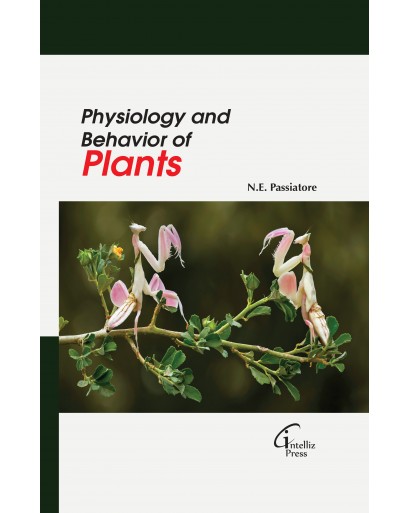
Physiology and Behavior of Plants |
| |
N.E. Passiatore/ 9781682515884/ Price:US$ 155.00
|
| |
|
|
The type of study in which studies about the different process in a plant that is responsible for the growth, development, and production is called crop physiology. Crop physiology is important in agriculture as well as horticultural crops because as it studies the entire plant and its communities. Understanding plant physiology is the key to successful agriculture.
Providing perspective and knowledge on the biological behavior and potentials of the plants, this book will be of greater use for the post-graduate students, researchers, physiologist and biotechnologist to sustain the plant growth and development. |
| |
|
| SE02-487 |
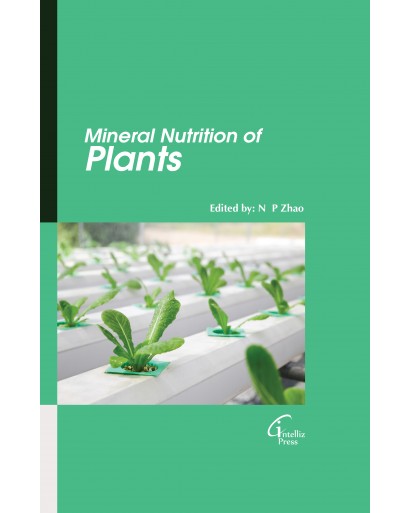
Mineral Nutrition of Plants |
| |
N P Zhao/ 9781682515891/ Price:US$ 155.00
|
| |
|
|
Minerals are taken up by plant roots from the soil solution in ionic form which is mediated by specific transport proteins. They are important constituents of protoplasm and cell wall e.g., sulphur occurs in proteins, phosphorus in nucleoproteins and adenosine phosphates, magnesium in chlorophyll, and calcium pectate in the middle lamella. Recently, important progress has been achieved in identifying transport and regulatory mechanisms for the uptake and distribution of nutrients. In this book we will discuss about the role of mineral elements in plants. |
| |
|
| SE02-487 |
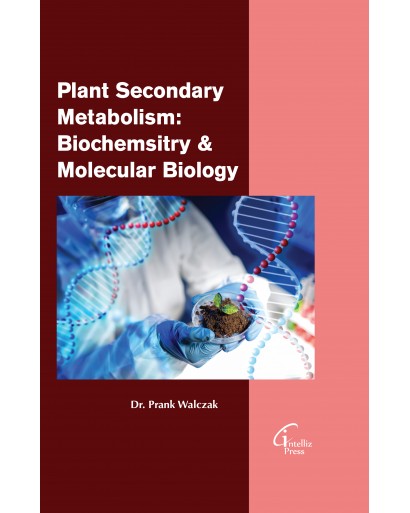
Plant Secondary Metabolism: Biochemsitry & Molecular Biology |
| |
Prank Walczak/ 9781682516416/ Price:US$ 155.00
|
| |
|
|
Chemical protection plays a decisive role in the resistance of plants against pathogens and herbivores. Secondary metabolites are chemicals produced by plants for which no role has yet been found in growth, photosynthesis, reproduction, or other "primary" functions. There is increasing evidence that plant secondary metabolites cause qualitative and quantitative shifts in favor of microorganisms that can fulfill defined functions. This book addresses ecological and evolutionary aspects of plant secondary metabolite in plant interactions and the roles endogenous and exogenous microbes may play in preferentially symbiotic interactions, other than mycorrhizal partnerships or rhizobial nodulation. |
| |
|
| SE02-487 |
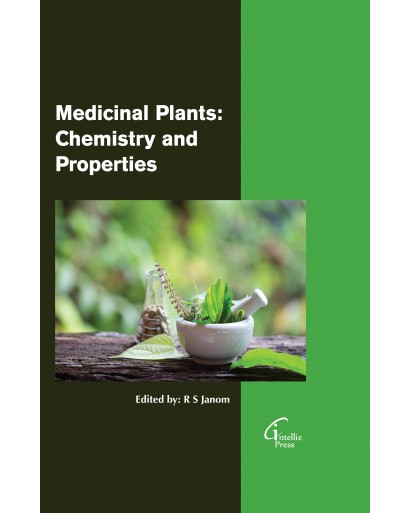
Medicinal Plants: Chemistry and Properties |
| |
R S Janom/ 9781682516423/ Price:US$ 155.00
|
| |
|
|
Medicinal herbs or plants have been known to be an important potential source of therapeutics or curative aids. The use of medicinal plants has attained a commanding role in health system all over the world. Medicinal plants play vital roles in disease prevention and their promotion and use fit into all existing prevention strategies. However, conscious efforts need to be made to properly identify, recognise and position medicinal plants in the design and implementation of these strategies. This book presents interesting and emerging perspectives in the field of medicinal plants. |
| |
|
| SE02-487 |
Biological Control of Insects, Pests and Diseases |
| |
Hazem Shawky Fouda/ 9781774071533/ Price:US$ 160.00
|
| |
|
|
Biological Control of Insects, Pests and Diseases introduces the readers to the concept of biological control and further explains them the process done in association with nematodes, fungi and bacteria. The book also throws light on the allelochemicals. Also discussed in the book is the information related to the biocontrol of insects and diseases, further explaining the readers about the advantages of biocontrol, its future in the developing world and the incorporation of nanotechnology to improve the working in the field of biocontrol. |
| |
|
| SE02-487 |
Cloning in Plants: New Developments |
| |
Shiv Sanjeevi/ 9781774071762/ Price:US$ 160.00
|
| |
|
|
Cloning in Plants: New Developments takes into account the process of cloning and plant transformation. It comprises the tools required for cloning and the basic requirement of cloning, cloning and transformation of medicinal plants has also been described. It provides the reader with the fundamental concept of cloning and plant transformation so as to understand the techniques involved in the process of cloning and to learn the concept, features and development of energy cane. This book also discusses about techniques used for vitro cloning of small RNAs, a versatile and simple enzyme-free cloning approach of aqua cloning, virus-induced gene silencing, concept, development and characteristics of energy cane and the concept of IRDL cloning. |
| |
|
| SE02-487 |
Biochemical Interaction Between Plants and Insects |
| |
Rajesh Singh/ 9781774072196/ Price:US$ 160.00
|
| |
|
|
Biochemical interaction between plants and insects discusses about biochemical interaction between plants and insects in a simple yet detailed manner. This book comprises topics such as beneficial insect to plants, the importance of insects in plants pollination process, harmful insect pests of the plants and insect pests that attack specific food crop plants. This book basically explains how plants and insects intervene in a detailed way. Different common beneficial insects are also discussed. Insect and pests that attack specific cash crops, biological association between root-knot nematode species and tubers, process of insects locating their host plants, plant species and their essential oils on some storage insect and pests, impacts of climate change on biological and ecological interaction between insects and plants are some of the topics which are also discussed in this book. |
| |
|
| SE02-487 |
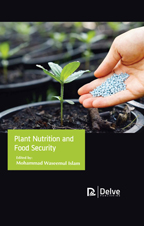
Plant Nutrition and Food Security |
| |
Mohammad Waseemul Islam/ 9781774072950/ Price:US$ 160.00
|
| |
|
|
Plant Nutrition and Food Security gives an introduction to the readers on the subject of food security and its role in the agricultural production and discusses the role of plant nutrients in food security. It further talks about food quality, consumer health, and plant nutrition, mineral nutrition in plants optimization and management of plant nutrition. Also discussed in the book is the process of nutrient acquisition, the dynamics that go on in the agricultural ecosystem regarding the nutrients and the role of plant nutrition in achievement of sustainable development in terms of food. It also provides insights on the future demands for plant nutrients. |
| |
|
| |
Berries |
| |
Victoria Dickenson/ 9781789141931/ Price:GBP 18.00
|
| |
|
|
|
What is it about the small fruits of field and wood that encourages rapture? These gifts of the earth – flagrant in hedgerows, carpeting the forest floor or colouring the uplands – are so ubiquitous as to be commonplace and so extraordinary that we have woven them into our folklore, fables and art. Strawberries, brambles, blueberries and raspberries were painted in the frescoes of Pompeii, twined into the borders of medieval miniatures and embroidered on silks and linens. Today the huge demand for these nutrient-rich fruits is pushing berry cultivation into new territories, from South America to Scandinavia, and changing the nature of our relationship with these much-loved fruits.
In this delightful, surprising and occasionally juicy exploration, Victoria Dickenson traces the humble berry’s journey across cultures and through centuries with humour and passion. |
| |
|
| |
Chrysanthemum |
| |
Twigs Way/ 9781789142051/ Price:GBP 18.00
|
| |
|
|
|
Drawing its allure from the gold of the sun and the rule of emperors, the chrysanthemum winds its way through ancient Chinese culture into the gardens of French Impressionist painters and onto the pages of American novels. The flower signifies both life and death, as parts of Europe associate it with mourning while others celebrate it for its golden rays that light the autumnal gloom.
In this fascinating book, Twigs Way follows the fortunes of the flower through philosophy, art, literature and death, recounting the stories of the men and women who became captivated by it. With a range of vibrant illustrations, including works by Hiroshige, Monet and Mondrian, it will appeal to lovers of art, flowers, history and culture. |
| |
|
| SE02-479 |
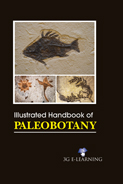
Illustrated Handbook of Paleobotany |
| |
/ 9781680949353/ Price:US$ 180.00
|
| |
|
|
Sheds light on many aspects of the evolutionary patterns of gymnosperms, angiosperms, and pteridophytes.
Explains the lives of these ancient plants, how they came to be fossilized, and what they may tell us about the past.
|
| |
|
| SE02-479 |
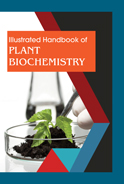
Illustrated Handbook of Plant Biochemistry |
| |
/ 9781680949360/ Price:US$ 180.00
|
| |
|
|
Plant Biochemistry provides a comprehensive, student-friendly introduction to this interesting area of study.
The book covers the biochemistry of interactions between animals, plants and the environment, and includes such diverse subjects as plant adaptations to soil pollutants and the effects of plant toxins on herbivores. |
| |
|
| SE02-479 |
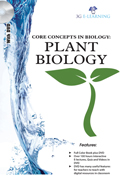
Core Concepts in Biology: Plant Biology (Book with DVD) |
| |
/ 9781984620118/ Price:US$ 75.00
|
| |
|
|
This book provides an updated, thorough overview of the fundamentals of botany.
The organization of topics, the depth and breadth of coverage and the incorporation of applied material throughout the book are all aimed at helping students learn. |
| |
|
| SE02-479 |
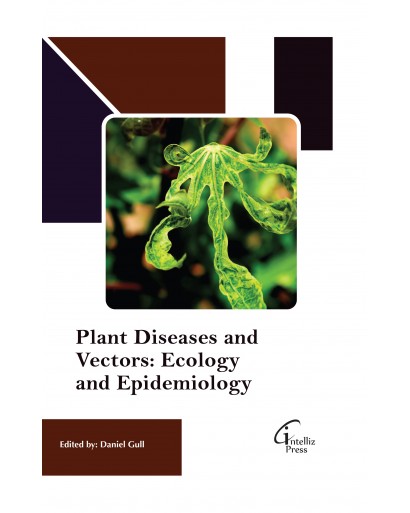
Plant Diseases and Vectors: Ecology and Epidemiology |
| |
Daniel Gull/ 9781682514757/ Price:US$ 150.00
|
| |
|
|
Portraying all aspects of plant diseases, pathogenesis, integrated plant protection, biology and molecular biology of viruses, bacteria, phytoplasms, oomycota, fungi and herbivores, including nematodes, mites, insects, snails and rodents, this book is intended to introduce to the wider audience vector-borne diseases, the threats and the risks, but also the panic that can be induced without a real risk. |
| |
|
| SE02-479 |
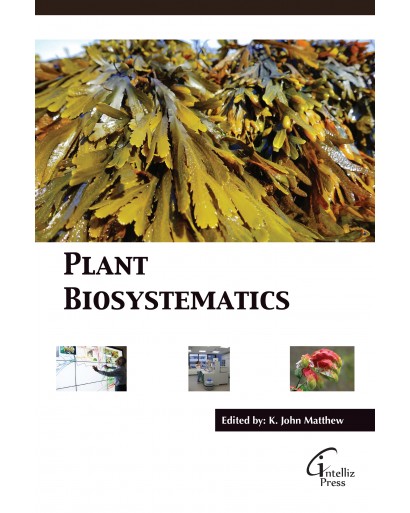
Plant Biosystematics |
| |
K. John Matthew/ 9781682514795/ Price:US$ 150.00
|
| |
|
|
To bridge the specific subject areas in plant systematics and evolution, encompassing evolutionary, phylogenetic, and genomic and biogeographically studies, this compendium reviews the current field of biosystematics, particularly the evolution of natural biota, and how plant biosystematics can contribute to the welfare of humans. A wide ranging biosystematic interest puts emphasis with the help of cytological and cytogenetic methods on getting to know chromosome variation within the family, genus and species connected with the phenomena of hybridization and polyploidization. |
| |
|
| SE02-479 |
Physiological and Molecular Plant Pathology |
| |
A. M. Shuaib/ 9781682505038/ Price:US$ 150.00
|
| |
|
|
In recent years, great progress has been made related to the molecular basis underlying host-pathogen interactions. Rapid and accurate detection of fungal pathogens to species or strain level is often essential for disease surveillance and implementing a disease management strategy. This book reviews the direct and indirect disease identification methods currently used in agriculture. The book should prove useful to students, researchers, and experts in the area of conservation biology, genetic diversity, and molecular biology. |
| |
|
| SE02-479 |
Plant Biomass Utilization in Nature: Agriculture and Industry |
| |
Ghazala Yaqub/ 9781773611518/ Price:US$ 165.00
|
| |
|
|
Plant biomass plays an important role in sustaining environment and life including human life on earth. This book covers biomass modification to facilitate the industrial degradation processing and other characteristics of feedstock’s and new technologies for the conversion of lignocelluloses into biofuels and other products. The book will appeal to a broad range of energy professionals and specialists, farmers and foresters who are searching for methods of selecting, growing, and converting energy crops, entrepreneurs who are commercializing biomass energy. |
| |
|
| SE02-479 |
Pest Resistant Plants |
| |
Muhammad Akhlas/ 9781773612003/ Price:US$ 165.00
|
| |
|
|
Pest resistant GM crops (primarily cotton and maize), have been genetically modified so they are toxic to certain insects. This book examines the use of pest resistant plants in managed ecosystems. to review existing evidence that the introduction of pest resistance into a crop species has affected the establishment, persistence, and spread of the crop or of species related to the crop; and to identify gaps in the information concerning the ecological effects of pest resistance genes, and recommend strategies to address those. |
| |
|
| |
Mulberry |
| |
Peter Coles/ 9781789141429/ Price:GBP 20.00
|
| |
|
|
Since Antiquity few trees have had a greater impact on the world’s culture and economy than the mulberry. The sole food of the silkworm, the leaves of the mulberry brought prosperity not only to ancient China, but to all nations that learned the art of silk production. Mulberry bark was used to make the first paper and the succulent, blood-red fruit of the Black Mulberry has inspired poets from Ovid to Shakespeare. The medicinal properties of all parts of the tree have been known for millennia, making it a tree of choice for medieval monastery gardens, while its anti-diabetic effects are opening exciting avenues of research today.
This sumptuously illustrated book tells the remarkable story of the mulberry tree and its migrations from China and Central Asia to almost every continent of the globe. It will appeal to all who wish to know more of the rich history of this emblematic tree. |
| |
|
| |
Primrose |
| |
Elizabeth Lawson/ 9781789140774/ Price:GBP 18.00
|
| |
|
|
For centuries the common primrose has spread breathtaking carpets of pale lemon yellow across the globe. They are flowers of the field, hedgerow and meadow, and one of the most important garden flowers. Abundant, edible and beneficial for many ailments, they have supported civilization’s social and cultural foundations. As harbingers of spring, they have captured the attention of gardeners, plant breeders and scientists, while artists and poets have found them essential as both subject matter and muse; William Shakespeare introduced us to the ‘the primrose path’, a pleasurable but destructive route, in several of his plays, and Charles Darwin spent over 30 years working with primroses to solve an elegant evolutionary mystery.
This is the story of how primroses became so successful, circling the Earth, adapting to human civilization, and yet holding their own on inaccessible craggy summits where they may never be seen. Bringing together stories, facts and folklore from around the world, this is a delightful guide to this hugely popular flower. |
| |
|
| SE02-488 |
Theory, Practice and Techniques in Plant Breeding. |
| |
3G Editorial Board/ 9781680947557/ Price:US$ 75.00
|
| |
|
|
This book brings both theory and practice in modern plant breeding to illustrate the concepts outlined in the text.
Covers the state of the art techniques of plant reproduction and their environmental interaction.
The current state of the field, as well as modern options and avenues for plant breeders and biotechnologists interested in augmenting crop yield and stability. |
| |
|
| SE02-479 |
Organic Fertilizers: Potentialities and Problems |
| |
Ghazala Yaqub/ 9781773612522/ Price:US$ 165.00
|
| |
|
|
Organic fertilizers are an essential source for plant nutrients and a soil conditioner in agriculture. This book explains how to use such organic fertilizers as compost, green sand, mulch, bone meal, and green manure to keep soil healthy with some real examples extending the concepts in organic fertilizers that may stimulate new research ideas and trends in the relevant fields. This book will be of use and interest to consultants, researchers, libraries, and entrepreneurs, manufacturers of bio-fertilizer and for those who wants to endeavor in to this field. |
| |
|
| SE02-472 |
Illustrated Dictionary of Plants. |
| |
/ 9781984600790/ Price:US$ 95.00
|
| |
|
|
This illustrated dictionary provides concise definitions and explanations of plants related terms together with state-of-the-art scientific and practical terms, presented in an easy-to-use, A-Z order with pictures and figures as well as examples are given to clarify the terms.
Packed with special full-page features on this subject and developed in close consultation with team of experts, this is the ultimate reference tool for students. |
| |
|
| SE02-472 |
Illustrated Dictionary of Botany. |
| |
/ 9781984615923/ Price:US$ 95.00
|
| |
|
|
This illustrated dictionary provides concise definitions and explanations of botany terms together with state-of-the-art scientific and practical terms, presented in an easy-to-use, A-Z order with pictures and figures as well as examples are given to clarify the terms.
Packed with special full-page features on this subject and developed in close consultation with team of experts, this is the ultimate reference tool for Higher Secondary to Undergraduate students. |
| |
|
| SE02-470 |
Plant Host Parasite Relationship. |
| |
Sarika Garg/ 9781773611211/ Price:US$ 160.00
|
| |
|
|
This book discusses the plant host parasite relationship and is a gathering of few research papers on interactions of parasitic plants/fungi with the host plants. The host-parasite relationships have been extensively studied for variations in both parasite or pathogen and host and their genotypes. This collection can prove beneficial for microbiologists, biochemists, biotechnologists, plant biologists, and academicians connected with the biological sciences. |
| |
|
| SE02-470 |
3GE Collection on Biology: Embryology and Angiosperms. |
| |
3G Editorial Board/ 9781680959239/ Price:US$ 160.00
|
| |
|
|
The life cycle of plants is constituted by two generations: sporophytic and gametophytic. Gametophytic generation is the sexual generation. In the history of angiosperm embryology there have been three distinct periods: the first, in which the key aim was to unravel the chief facts regarding the development of the pollen and embryo sac, and the processes of fertilization and seed formation; the second, in which interest focused largely round a study of comparative embryology and an evaluation of the data thus obtained for the improvement of the existing systems of classification; and the third and latest in which embryology has become an experimental subject like cytology and physiology, where one tries to study the optimal conditions for the storage of the pollen and its germination; the receptivity of the stigma, fertilization and fruit-setting and how far the normal processes of development can be influenced or altered by a change in the environment. Embryology thus provides many features that are complex and, when properly applied along with evidence from other sources, offers good indications of relationships at various taxonomic levels, from the ordinal to the specific level. |
| |
|
| SE02-470 |
Plant Tissue Culture, Development and Biotechnology. |
| |
Arit Okon Efretuei/ 9781773612560/ Price:US$ 160.00
|
| |
|
|
Focusing on plant culture development and its applications in biotechnology across a myriad of plant science specialties; this book provides a diverse learning experience and is an essential reference resource for undergraduate and postgraduate students, teachers, researchers, and technicians working in plant tissue culture and genetic engineering. |
| |
|
| SE02-470 |
Plant Propagation by Tissue Culture. |
| |
Arit Okon Efretuei/ 9781773612577/ Price:US$ 160.00
|
| |
|
|
|
This extensively illustrated handbook covers all propagation methods, including from seeds, by cutting, and by division, along with information on such topics as layering, grafting, germination time, and strike rate. This book deals with recent developments in plant tissue culture, and presents a critical assessment of the proven and potential applications of the various in vitro techniques in details on all the main techniques and step-by-step photographs; this is an essential book for all students, researchers as well as gardeners. |
| |
|
| SE02-470 |
Paleobotany. |
| |
Daniel Dela Torre/ 9781773612980/ Price:US$ 160.00
|
| |
|
|
Written on a high scientific level and at the same time quite popular, this book will undoubtedly be interesting and useful to anyone who is interested in the distant past of our planet. The book covers a wide range of issues. It tells about the most ancient plants and modern subtle methods of studying them. In addition, this is not a popular translation of the paleobotany textbook. There is no doubt that not only paleontologists, paleobotanists and geologists in general, but also the widest circle of readers, from physicists to lyricists, will read the book with interest and benefit.. |
| |
|
| SE02-470 |
Bacteriophages for Plant Disease Control. |
| |
Prashant Pant/ 9781773611969/ Price:US$ 160.00
|
| |
|
|
The growing need for increased food production globally has led the farmers and scientists equally to devise means to increase plant productivity through several practices, including disease management. This book presents the historical and recent developments, concepts, factors, challenges and concerns of using bacteriophages for plant disease control. The book will be a valuable reference for students, researchers, teachers as well as agriculturists while choosing environmentally safe and sustainable plant pest management techniques. |
| |
|
| SE02-470 |
Horticulture: Intermediate. (With DVD) |
| |
3G Editorial Board/ 9781680947397/ Price:US$ 160.00
|
| |
|
|
This edition deals with updated information in farm operations, produce vegetables, produce fruit bearing crops, perform post-harvest operations of major tropical fruits and perform post-harvest operations of major lowland and semi-temperate vegetable crops.
The book leads readers through practices and production, and provides the necessary information to support a more sustainable and environmentally friendly horticulture.
This book will be of valuable to students or Horticultural Farm Caretaker, Coffee Farmer, Fruit Tree Farmer, Cacao Farmer, and Vegetable Farmer. |
| |
|
| SE02-470 |
Theory, Practice and Techniques in Botany. |
| |
3G Editorial Board/ 9781680947489/ Price:US$ 75.00
|
| |
|
|
This book deals with history and importance, botany, genetics and plant physiology, production, and plant protection.
From plant anatomy to basic genetics, this fabulous volume explains the science of plants in simple language anyone can understand. |
| |
|
| SE02-470 |
Theory, Practice and Techniques in Plant Pathology. |
| |
3G Editorial Board/ 9781680947519/ Price:US$ 75.00
|
| |
|
|
This book covers several aspects of plant pathology and its sub disciplines like Mycology, Plant Virology, Plant Bacteriology and Plant Nematology etc.
Diagnosis, disease management, and the molecular basis of host-pathogen interactions are examined.
This book has been designed mainly for the use of students engaged in advanced undergraduate and postgraduate courses in plant pathology. |
| |
|
| SE02-470 |
Fungal Biology. |
| |
Roksana Khalid/ 9781773612058/ Price:US$ 160.00
|
| |
|
|
Fungi are commonly used for current chemotherapeutics, for example, penicillin’s, for folk and traditional medicines, for pest control, and in food industry. Fungal Biology is the fully updated new edition of this undergraduate text, including the growth and physiology of fungi. A section of the book deals with pathogenic effects of fungus on animals and plants with symbiotic associations of fungi. The book closes with the role of fungi in humans and its significance in human life. This book has been written for students of graduate level who study mycology and are in search for knowledge related to fungi. |
| |
|
| SE02-470 |
Seed Molecular Biology. |
| |
Carlos Tello Lacal/ 9781773610467/ Price:US$ 160.00
|
| |
|
|
An increasing amount of research is now being directed at gaining a better understanding of the biological factors of seed development. This book provides a detailed overview of the different molecular aspects regulating the life cycle of seeds, as well as the potential biotechnological applications of this knowledge. This text is intended for plant physiologists, molecular biologists, biochemists, biotechnologists, geneticists, horticulturalists, agromnomists and botanists, and upper-level undergraduate and graduate students in these disciplines. |
| |
|
| SE02-470 |
Plant Growth Regulators. |
| |
Carlos Tello Lacal/ 9781773610450/ Price:US$ 190.00
|
| |
|
|
|
The present book provides college students, teachers, researchers, plant breeders, farmers and other readers interested in plant physiology with a detailed overview of the different plant phytohormones including biosynthetic pathways, signaling cascades and regulation of plant development, growth and metabolism. It also reviews the current knowledge on the main plant growth regulators: ABA, auxins, cytokinins, gibberellins, ethylene, brassinosteroids, jasmonic acid, nitric oxide, salicylic acid and strigolactones. |
| |
|
| SE02-470 |
Signalling Pathways in Abiotic Stress. |
| |
Carlos Tello Lacal/ 9781773610443/ Price:US$ 160.00
|
| |
|
|
In this book, several eminent researchers and experts in plant biology provide insight into ‘Stress Signaling’ in plants with a special emphasis on functional genomics aspects. This publication presents information on how modulation in phytohormone levels affect regulation of biochemical and molecular mechanisms in changing environmental conditions. A state-of-the-art book with recent developments in plant response to abiotic stresses. |
| |
|
| SE02-470 |
Regulation of Cation Homeostasis in Plants. |
| |
Carlos Tello Lacal/ 9781773610436/ Price:US$ 210.00
|
| |
|
|
|
Presentation of insights into the role and underlying mechanisms of Cation homeostasis in plants under environmental stresses has been the major focus of current plant research. This book brings together contributions around the world to discuss and the current knowledge of the role stress genes play in plant stress tolerance, with special emphasis on those regulating the uptake and distribution of K+ and its competitive inhibitor Na+. The present book intends to help college students, teachers, researchers and other readers interested in plant physiology better understand the mechanisms employed by plants to compensate transient imbalances in the levels of their main cations. |
| |
|
| SE02-470 |
Regulation of Water Balance in Plants. |
| |
Carlos Tello Lacal/ 9781773610474/ Price:US$ 200.00
|
| |
|
|
Packed with the up-to-date information, the present book provides a detailed overview of the strategies enabling plants to maintain their water homeostasis despite changing environmental conditions. Introduces the different subfamilies of plant aquaporins, explains the main mechanisms controlling their activity and describes their roles in regulating plant water homeostasis. We focus on how aquaporins respond to these environmental factors in order to maintain water balance in plants. |
| |
|
| SE02-470 |
RNA Silencing in Plants. |
| |
Carlos Tello Lacal/ 9781773610481/ Price:US$ 160.00
|
| |
|
|
The present book provides a general description of the different RNA silencing pathways in plants, including proteins involved, TGS and PTGS pathways, role in antiviral defense and the counter-defensive mechanism of viral suppressors. It describes the way small RNA is produced and acts to silence genes, its likely origins in defense against viruses, and also its potential to improve plants. The book is intended to help college students, teachers, researchers and other readers interested in plant physiology and RNA biology better understand the different mechanisms in which RNA silencing regulates gene expression in plants. |
| |
|
| SE02-470 |
Photosynthesis and Plant Light Requirements. |
| |
Carlos Tello Lacal/ 9781773610498/ Price:US$ 210.00
|
| |
|
|
This publication integrates the contribution made by the leading authors and experts in the functioning of photosynthesis, the first step towards increasing its performance, which can ultimately increase crop yield. Presenting an examination of the phenomena and scientific principles behind plant growth, the present books reviews the state-of-the-art knowledge on the different aspects concerning photosynthesis, including the potential application of recent findings. |
| |
|
| |
Sunflowers |
| |
Stephen A. Harris/ 9781780239262/ Price:GBP 18.00
|
| |
|

|
Sunflowers are the most recognizable members of the world’s largest family of plants, Asteraceae, which includes lettuce, chrysanthemums, asters, dahlias and weeds. The sunflower family is found in almost all habitats, from the driest deserts through grasslands and the tallest mountains to urban wastelands, and includes more than 32,000 species. The family has become a part of our literary and visual cultures, inspiring artists such as Vincent van Gogh, and is used by advertisers to promote countless products. It produces hugely popular and economically valuable ornamental flowers, as well as familiar flavourings such as tarragon and artemisia, and sunflowers are also used in the production of antimalarial drugs, artificial sweeteners, insecticides and fish poisons.
Sunflowers unravels the interplay between the biology of sunflowers and human cultures over the last 6,000 years. It explores our fascination with the family and how our uses of the plants have changed over millennia. Illustrated with many rarely seen images of the sunflower family, this beautiful volume will appeal to those looking for a new, surprising perspective on familiar flowers. |
| |
|
| |
Palm |
| |
Fred Gray/ 9781780239170/ Price:GBP 18.00
|
| |
|

|
The extraordinary palm: diverse, prolific, essential, symbolic and often sacred, exotic – and at times erotic – exploited and controversial. The signature plant of the tropics and subtropics, these record-breaking botanicals produce the world’s biggest and heaviest seed, the longest leaf and the longest stem. Over thousands of years, palms sustained rainforest communities and were bound up with the development of ancient civilizations. They gained mystical and religious meanings and became a plant of abstractions and fantasies, a symbol of being at leisure, away from civilization and closer to nature – and at times of danger and devastation. In the nineteenth century capitalism used palm products to lubricate industry and cleanse empires. Iconic palm houses put on show this exceptional vegetative performer. Far from its natural homelands, it nowadays clothes and glamorizes an astonishing diversity of landscapes. Today oils from palms are consumed daily by millions of people worldwide. The plant is embedded in modern consumer societies, but mired in environmental controversy over the destruction of rainforests.
In Palm Fred Gray portrays the cultural and historical significance of this iconic and controversial plant over thousands of years. Superbly illustrated, this lively and engaging book is the first of its kind. |
| |
|
| SE02-488 |
Recent Advances in Plant Genetic Engineering. |
| |
Aleksei Anatoliyovych Stepanenko/ 9781680957495/ Price:US$ 180.00
|
| |
|
|
The most recent developments, strategies and innovations in plant genetic engineering for the improved nutritive quality, drought, salt and abiotic stress tolerance, production of the highly potent therapeutic agents, active recombinant proteins and enzyme variants tailored to specific needs, control of different viruses and disease resistance are discussed. Transgenic approaches, which pave the way for the creation of novel plants with improved traits, and future needs in transgenic plants safety and risk assessment are considered. |
| |
|
| SE02-463 |
Illustrated Handbook of Plant Biotechnology. |
| |
/ 9781680946857/ Price:US$ 180.00
|
| |
|
|
This book introduces the foundations for plant biotechnology by outlining the biological aspects including gene structure and expression, and the basic procedures in plant biotechnology of genomics, metabolomics, and transcriptomics. The roots of plant biotechnology can be traced back to the time when humans started collecting seeds from their favorite wild plants and began cultivating them in tended fields. It appears that when the plants were harvested, the seeds of the most desirable plants were retained and replanted the next growing season. While these primitive agriculturists did not have extensive knowledge of the life sciences, they evidently did understand the basic principles of collecting and replanting the seeds of any naturally occurring variant plants with improved qualities, such as those with the largest fruits or the highest yield, in a process that we call artificial selection. This domestication and controlled improvement of plant species was the beginning of plant biotechnology. |
| |
|
| SE02-463 |
Illustrated Handbook of Botany. |
| |
/ 9781680946932/ Price:US$ 180.00
|
| |
|
|
Plants are vital to all life on earth. They convert light from the sun into energy we can eat, and even use for fuel. They also release the oxygen we breathe. Botanists study plants to try to understand how these processes work. Botany is the scientific study of plants. ?Plants,? to most people, means a wide range of living organisms from the smallest bacteria to the largest living things - the giant sequoia trees. Today scientists believe bacteria, algae and fungi are in their own distinct kingdoms, but most general botany courses, and most Botany Departments at colleges and universities, still teach about these groups. They may even study how genetic information in DNA controls plant development. This handbook provides a modern and comprehensive overview of the fundamentals of botany. |
| |
|
| SE02-463 |
Illustrated Handbook of Plant Physiology. |
| |
/ 9781680946949/ Price:US$ 180.00
|
| |
|
|
The field of plant physiology includes the study of all the internal activities of plants?those chemical and physical processes associated with life as they occur in plants. This includes study at many levels of scale of size and time. Fundamental processes such as hotosynthesis, respiration, plant nutrition, plant hormone functions, tropisms, nastic movements, photoperiodism, photomorphogenesis, circadian rhythms, environmental stress physiology, seed germination, dormancy and stomata function and transpiration, both parts of plant water relations. This book provides that information in a succinct and user-friendly way, what we know about plant physiology, in addition to how that information was gathered. |
| |
|
| SE02-463 |
Illustrated Handbook of Plant Breeding. |
| |
/ 9781680946963/ Price:US$ 180.00
|
| |
|
|
Plant breeding is an applied branch of Botany, which deals with improvement of agricultural crops. This branch of agricultural science has contributed maximum to the increase in food production all over the world and therefore, now a day it assuming ever increasing importance in field of agriculture in every country. Plants have been successfully selectively bred for thousands of years, culminating in incredible yields, quality, and resistance and so on that we see in our modern day crops and ornamental plants. In recent years the techniques used have been rapidly advanced and refined to include molecular, cell and genetic techniques. This book offers the most recent detailed knowledge of plant reproduction and their environmental interaction, which can help guide new breeding programs and help insure continuing progress in providing more food for growing populations. |
| |
|
| SE02-463 |
Illustrated Handbook of Plant Pathology. |
| |
/ 9781680946970/ Price:US$ 180.00
|
| |
|
|
Because of the reliance of humans on plants for food, fibers and other resources, understanding plant diseases and their control is of vital importance to our survival. Plant disease epidemics can cause famines, eliminate a thriving industry or poison animals and humans. Plant diseases are the result of infection by other organisms that adversely affect the growth, physiological functioning and productivity of a plant, manifesting outwardly as visible symptoms. All species of plants, wild and cultivated alike, are subject to disease. Although each species is susceptible to characteristic diseases, these are, in each case, relatively few in number. The occurrence and prevalence of plant diseases vary from season to season, depending on the presence of the pathogen, environmental conditions, and the crops and varieties grown. Some plant varieties are particularly subject to outbreaks of diseases; others are more resistant to them. Parasitic organisms that cause disease are called pathogens. This illustrated work in plant pathology outlines how to recognize, treat, and prevent plant diseases. |
| |
|
| SE02-463 |
Illustrated Handbook of Horticulture. |
| |
/ 9781680946987/ Price:US$ 180.00
|
| |
|
|
Horticulture is an aesthetic science that deals with the important crops which are grown in the gardens e.g. vegetable crops in vegetable garden, fruit crops in fruit orchards. It includes the cultivation of medicinal plants, fruits, vegetables, nuts, seeds, herbs, sprouts, mushrooms, algae, flowers, seaweeds and non-food crops such as grass and ornamental trees and plants. It also includes plant conservation, landscape restoration, landscape and garden design, construction, and maintenance, and arboriculture. Inside agriculture, horticulture contrasts with extensive field farming as well as animal husbandry. Horticulturists apply their knowledge, skills, and technologies used to grow intensively produced plants for human food and non-food uses and for personal or social needs. |
| |
|
| SE02-463 |
Photosynthesis: Physiology and Metabolism. |
| |
Cajumban, Alyssa A./ 9781680945416/ Price:US$ 145.00
|
| |
|
|
This book gives an overview of the present understanding of all areas of molecular processes of photosynthesis. Photosynthesis is the process used by plants, algae and certain bacteria to harness energy from sunlight into chemical energy. Plants need food but they do not have to wait on people or animals to provide for them. Most plants are able to make their own food whenever they need it. This is done using light and the process is called photosynthesis. Photosynthesis takes place in the leaves of plants. The leaves are made up of very small cells. Inside these cells are tiny structures called chloroplasts. Each chloroplast contains a green chemical called chlorophyll which gives leaves their green color. |
| |
|
| SE02-463 |
Essentials of Botany. |
| |
Tadena, Anjanette S./ 9781680945430/ Price:US$ 145.00
|
| |
|

|
This text provides a modern and comprehensive overview of the fundamentals of plant biology. Botany is the scientific study of plants—how plants function, what they look like, how they are related to each other, where they grow, how people make use of plants, and how plants evolved. Botany often includes the study of algae, may deal with fungi and bacteria, and usually explores the lives of plants, from tiny floating duckweeds to gigantic redwood trees. Plants are essential to the lives of humans, providing all our food—either directly or indirectly— as well as the oxygen we breathe. Plants are the foundation of all terrestrial communities, and they dramatically affect the world’s climate, the global cycles of nutrients and water, as well as the lives of animals every day. |
| |
|
| SE02-463 |
Horticulture: Principles and Practices. |
| |
Cabugao, Hazelle S./ 9781680945515/ Price:US$ 145.00
|
| |
|
|
This book describes the growth of gardens, their history and development and provides information on the various principal horticultural practices, taxonomy and its significance. Horticulture is concerned with growing plants that are used by people for food, for medicinal purposes, and for aesthetic gratification. Horticulture is divided into specializations Horticulture is the science and art of producing, improving, marketing, and using fruits, vegetables, flowers, and ornamental plants. It differs from botany and other plant sciences in that horticulture incorporates both science and aesthetics. Production and consumption of high quality fruits and vegetables allows us to maintain a healthy, balanced daily diet. Flowers and ornamental plants enrich our homes and communities, and contribute to our sense of well-being. Horticulture impacts our lives on a daily basis by providing nutritious fruits and vegetables, offering visual enjoyment, and promoting recreational activities. |
| |
|
| SE02-463 |
Fundamentals of Plant Pathology. |
| |
Efretuei, Arit/ 9781680945577/ Price:US$ 145.00
|
| |
|
|
This introductory text outlines how to recognize, treat, and prevent plant diseases. Plant Pathology is the study of plants and their pathogens, the process of disease, and how plant health and disease are influenced by factors such as the weather, nonpathogenic microorganisms, and plant nutrition. Plant diseases are caused by biotic agents like fungi, bacteria, actinomycets, Mycoplasma, viruses, nematodes, and flowering parasites or by abiotic like unfavorable environmental conditions or nutritional deficiencies. Study of plant pathology includes the study of sciences viz, Microbiology, Bacteriology, Virology, Mycology, Nematology, protozology, phycology, unfavorable , environmental factors, nutritional deficiencies and flowering plant parasites. |
| |
|
| SE02-463 |
Genetics and Genomics of Plants. |
| |
Efretuei, Arit/ 9781680945584/ Price:US$ 145.00
|
| |
|
|
This book covers topics ranging from plant genome structure and the key control points in how genes are expressed, to the mechanisms by which proteins are generated and how their activities are controlled and changed. Genomic tools have emerged as efficient and robust methods to enhance genetic gain in crop breeding programs; their use has been fast in staple cereals and high value crops, but limited in most of the legume crops. The cultivation of plants is an important aspect of today’s society in many ways. Not only do plants supply us with a major food resource and flow of nutrition but they are also an important source of chemicals and other non-food products such as drugs, oils, latex, pigments, and resins. The physical appearance of plants is determined by genetic factors that are inherited from parental crops. The natural transfer of genes can be altered using many genetic techniques such as selection or genetic engineering. One of the important goals of plant breeding is maintaining genetic diversity. |
| |
|
| SE02-463 |
Principles and Techniques of Plant Breeding. |
| |
Almendras, Razel P./ 9781680945607/ Price:US$ 145.00
|
| |
|
|
This book offers the comprehensive knowledge of plant reproduction and their environmental interaction, which can help guide new breeding tools and techniques and help insure enduring progress in serving more food for growing populations. Plant breeding is the process by which humans change the characteristics of plants over time to make them better crops and more nourishing food. Such selective breeding changes the genetic composition of the plants over time. Plant breeding has been practiced for thousands of years, since near the beginning of human civilization. It is now practiced worldwide by individuals such as gardeners and farmers, or by professional plant breeders employed by organizations such as government institutions, universities, crop-specific industry associations or research centers. |
| |
|
| SE02-462 |
Landscaping and Horticulture. (With DVD) |
| |
/ 9781680955231/ Price:US$ 79.95
|
| |
|
|
Landscape design can be de ned as organizing and enriching outdoor space by placing plants and structures in an agreeable and useful relationship with the natural environment. Designing landscapes is an art. Merely planting trees and shrubs is not landscaping. Landscaping is creating a plan to make the best use of available space in the most attractive way. It means shaping the land to make the most of a site’s natural features and advantages, and it includes building such necessary structures as fences, walls and patios. Finally, landscaping involves selecting and growing plants that best fit the design. The Landscape and Horticulture fuses the creative aspects of art and design with the technical and scienti c aspects of horticulture. |
| |
|
| SE02-462 |
Mycology and Plant Pathology. (With DVD) |
| |
/ 9781680955286/ Price:US$ 79.95
|
| |
|
|
|
Plant Pathology is de ned as the study of the organisms and environmental conditions that cause disease in plants, the mechanisms by which this occurs, the interactions between these causal agents and the plant (e ects on plant growth, yield and quality), and the methods of managing or controlling plant disease. It also interfaces knowledge from other scienti c elds such as mycology, microbiology, virology, biochemistry, bio-informatics, etc. Mycology is concerned with the study of fungi, including their genetic and biochemical properties, their taxonomy and their use to humans as a source for tinder, medicine, food, and entheogens, as well as their dangers, such as poisoning or infection. |
| |
|
| SE02-462 |
Basics of Micropropagation. (With DVD) |
| |
/ 9781680955293/ Price:US$ 79.95
|
| |
|
|
Just as every person is di erent and unique, so is each plant. Some have traits like better color, yield, or pest resistance. For years, scientists have looked for methods to allow them to make exact copies of these superior individuals. Plants usually reproduce by forming seeds through sexual reproduction. That is, egg cells in the owers are fertilized by pollen from the stamens of the plants. Each of these sexual cells contains genetic material in the form of DNA. During sexual reproduction, DNA from both parents is combined in new and unpredictable ways, creating unique organisms. This unpredictability is a problem for plant breeders as it can take several years of careful greenhouse work to breed a plant with desirable characteristics. Many of us think that all plants grow from seeds but now, researchers have developed several methods of growing exact copies of plants without seeds. Micropropagation is the growing of plants from meristematic tissue or somatic cells of superior plants on nutrient suitable media under controlled aseptic physical conditions. Micropropagation is used to multiply noble plants such as those that have been genetically modi ed or bred through conventional plant breeding methods. It is also used to provide a su cient number of plantlets for planting from a stock plant which does not produce seeds, or does not respond well to vegetative reproduction. |
| |
|
| SE02-462 |
Concepts in Ethnobotany. (With DVD) |
| |
/ 9781680955316/ Price:US$ 79.95
|
| |
|
|
|
Ethno refers to people, culture, a culture’s collective body of beliefs, aesthetic, language, knowledge, and practice. Botany is the study of plants—from the tiniest fern or blade of grass to the tallest or oldest tree. Ethnobotany is considered a branch of ethnobiology, the study of past and present interrelationships between human cultures and the plants, animals, and other organisms in their environment. Like its parent eld, ethnobotany makes apparent the connection between human cultural practices and the sub-disciplines of biology. Ethnobotanical studies range across space and time, from archaeological investigations of the role of plants in ancient civilizations to the bioengineering of new crops. Furthermore, ethnobotany is not limited to nonindustrialized or nonurbanized societies. In fact, co-adaptation of plants and human cultures has changed—and perhaps intensi ed—in the context of urbanization and globalization in the twentieth and twenty-first centuries. Ethnobotanical knowledge encompasses both wild and domesticated species, and is rooted in observation, relationship, needs, and traditional ways of knowing. Such knowledge evolves over time, and is therefore always changing and adding new discoveries, ingenuity and methods. |
| |
|
| SE02-462 |
Physiology of Plant Cells. (With DVD) |
| |
/ 9781680955323/ Price:US$ 79.95
|
| |
|
|
Plant cells are eukaryotic cells, or cells with a membrane-bound nucleus. Unlike prokaryotic cells, the DNA in a plant cell is housed within the nucleus. In addition to having a nucleus, plant cells also contain other membrane-bound organelles, or tiny cellular structures, that carry out speci c functions necessary for normal cellular operation. Organelles have a wide range of responsibilities that include everything from producing hormones and enzymes to providing energy for a plant cell. Plant cells are similar to animal cells in that they are both eukaryotic cells and have similar organelles. Plant cells are generally larger than animal cells. While animal cells come in various sizes and tend to have irregular shapes, plant cells are more similar in size and are typically rectangular or cube shaped. Plants cell constitute of membrane bound nucleus and many cellular structures. These organelles carry out functions that are necessary for the proper functioning and survival of the cell. The cell organelles of the plant are enclosed by a cell wall and cell membrane. The constituents of the cell are suspended in the cytoplasm or cytosol. A plant cell also contains structures not found in an animal cell. Some of these include a cell wall, a large vacuole, and plastids. Plastids, such as chloroplasts, assist in storing and harvesting needed substances for the plant. Animal cells also contain structures such as centrioles, lysosomes, and cilia and agella that are not typically found in plant cells. |
| |
|
| SE02-462 |
Concepts in Plant Physiology. (With DVD) |
| |
/ 9781680955330/ Price:US$ 79.95
|
| |
|
|
Plant Physiology is the science which deals with the functions of cells, tissues, organs or the plant as a whole. It is the study of vital processes of plants. Plant physiology is the study of the plant way of life which includes aspects of plants life, its survival, metabolic activities, water relations, mineral nutrition, development, movement, irritability, organization, growth and transport processes. Physiological process may be de ned as any chemical or physical change occurring within a cell or organism and any exchange of substances between the cell or organism and its environment. According to this de nition of life process or Physiological process, the physical process of di usion (including osmosis, gas di usion, transpiration), water conduction, solute absorption, absorption or loss or transport of radiant energy and other internal physical changes or exchanges with the environment would be considered as physiological process, similarly all metabolic changes like those concerned in respiration, photosynthesis, synthesis or degradation of lipids, amino acids, proteins etc. , when they occur within the cell or organism would be considered as physiological process. |
| |
|
| SE02-462 |
Physiology of Fungi. (With DVD) |
| |
/ 9781680955347/ Price:US$ 79.95
|
| |
|
|
Fungi are living organisms that are distantly related to plants, and more closely related to animals, but rather di erent from either of those groups. Kingdom Fungi includes mushrooms, rusts, smuts, pu balls, tru es, morels, molds, and yeasts, and thousands of other organisms and microorganisms. Fungi grow best where there is a rich supply of organic matter. Most fungi are saprobic (obtaining nutrients from dead organic matter). Since they lack photosynthetic pigments, fungi cannot perform photosynthesis and must obtain their nutrients from preformed organic matter. They are therefore chemoheterotrophic organisms. Fungi reproduce sexually or asexually, or both, depending upon the species and the environmental conditions. As the name implies, sexual reproduction is the result of the union of two spores. Most fungi reproduce both sexually and asexually. Asexual reproduction occurs in the fungi when spores form by mitosis. These spores can be conidia, sporangiospores, arthrospores (fragments of hyphae), or chlamydospores (spores with thick walls). Fungal spores are important in the identi cation of the fungus, since the spores are unique in shape, color, and size. A single spore is capable of germinating and reestablishing the entire mycelium. Spores are also the method for spreading fungi in the environment.
Fungi grow well under the same conditions that favor the growth of bacteria--warmth and moisture. It is for this reason that fungal infections pose a serious problem to troops in the tropics. As the temperature decreases, fungal activity also decreases; however, the spores are very resistant to cold, some surviving freezing temperatures for long periods of time. On the other hand, fungi are easily killed at high temperatures.
|
| |
|
| SE02-462 |
Nematode Management in Plants. (With DVD) |
| |
/ 9781680955361/ Price:US$ 79.95
|
| |
|
|
Plant parasitic nematodes are small microscopic roundworms that live in the soil and attack the roots of plants. Crop production problems induced by nematodes, therefore, generally occur as a result of root dysfunction, reducing rooting volume and foraging and utilization e ciency of water and nutrients. Many di erent genera and species of nematodes can be important to crop production. In many cases a mixed community of plant parasitic nematodes is present in a eld, rather than having a single species occurring alone. In general, the most widespread and economically important nematode species include the root-knot nematode, Meloidogyne spp., and sting nematode, Belonolaimus longicaudatus. The host range of these nematodes, as with others, includes many di erent weeds and most if not all of the commercially grown vegetables within the state. Yield reductions can be extensive but vary signi cantly between plant and nematode species. |
| |
|
| SE02-460 |
Plant Pigments, Flavors and Textures: The chemistry and Biochemistry of Selected Compounds. |
| |
Mehmood, Sajid/ 9781680958966/ Price:US$ 160.00
|
| |
|
|
A plant pigment is any type of colored substance produced by a plant. The quality of a food is judged by consumer according to its appearance, taste, and texture. This book focuses on the chemistry and biochemistry of compounds responsible for the pigments, flavor, and textures. |
| |
|
| SE02-460 |
Chromosome Engineering in Plants: Genetics, Breeding, Evolution. |
| |
Lacal, Carlos T./ 9781680958973/ Price:US$ 170.00
|
| |
|
|
Chromosome engineering is the controlled generation of chromosomal deletions, inversions, or translocations with defined endpoints. This book surveys the entire range of general aspects of chromosome research on plants, and deals with the cytogenetics of plant materials including legumes, vegetable and oil crops, sugar crops, forage crops, fiber crops, medicinal crops and ornamentals. |
| |
|
| SE02-460 |
Botany: An Introduction to Plant Biology. |
| |
GARG, SARIKA/ 9781680957532/ Price:US$ 160.00
|
| |
|
|
Botany is the scientific study of plants that deals with plant life and development. It is a part of biology and is also known as Plant Biology. Botany is a broad term for great variety of scientific disciplines that study plants. Some of the disciplines are structure, organization, physiology, development, metabolism, genetics, diseases, to name a few. It is one of the ancient sciences in the world, with thousands of years old research and exploration illustrated documents. Nowadays, the extent of botany has expanded to study 550000 species and beyond. The botanical research has manifold applications including supply of foods, medicines, building materials, and other plant products. |
| |
|
| SE02-460 |
Handbook of Plant Virus Diseases. |
| |
Stepanenko, Aleksei A./ 9781680957556/ Price:US$ 180.00
|
| |
|
|
|
An overview of important plant diseases caused by viruses, focusing not only on those that are well-known but also those that are emerging as serious threats for the production of economically and socially important crops around the world is presented. The epidemiology and molecular biology of viruses, the plant responses, the symptoms and pathogenicity of the diseases, the detection methods and the available viral control strategies are outlined. |
| |
|
| SE02-460 |
Horticulture: New Technologies and Applications. |
| |
Kartan, Preethi/ 9781680957563/ Price:US$ 175.00
|
| |
|
|
Horticulture is the branch of agriculture that deals with the art, science, technology, and business of growing plants. It includes the cultivation of medicinal plants, fruits, vegetables, nuts, seeds, herbs, sprouts, mushrooms, algae, flowers, seaweeds and non-food crops such as grass and ornamental trees and plants. This book focuses on horticulture with new technologies and applications. |
| |
|
| SE02-460 |
Plant & Soil Science: Fundamentals & Applications. |
| |
Garg, Sarika/ 9781680957600/ Price:US$ 170.00
|
| |
|
|
Soil is a concoction of solids, liquids, gases and numerous living organisms. Being a living system, soil needs uniform care and attention as the plants that grow in it. Soil must provide an adequate habitat for the growth of specific plants. Therefore, soil scientists are inquisitive in studying various physical, chemical and biological properties of the soil. Certain bacterial species present in soil are known to play an important role in the availability of micronutrients from soil to plants. Water retention property of the soil has also acquired much attention for the growth of specific crop. Considering all these aspects, efforts have been done to integrate many research studies displaying the properties of soil in different regions of the world and ways to manipulate them for plant growth and development. The book comprises 17 different research papers (case studies) and reviews covering vast aspects of plant and soil science. |
| |
|
| SE02-460 |
Plant Anatomy and Economic Botany. |
| |
Mishra, Vikas/ 9781680957617/ Price:US$ 170.00
|
| |
|
|
Plant anatomy is the study of the physical structure of plants. It focuses on the most widely-accepted theories of structure and function plant. Economic botany is the commercial exploitation of plants by people. Economic botany contributes significantly to anthropology, biology, conservation, botany, and other fields of science. This book presents the basic concepts and terminology of plant anatomy with a special emphasis on its significance and applications and offers more emphasis on key topics like biotechnology and ethnobotany. |
| |
|
| SE02-460 |
Plant Conservation: An Ecosystem Approach. |
| |
BANGA, JASPREET/ 9781680957624/ Price:US$ 170.00
|
| |
|
|
The concept of plant conservation involves the protection of various plant and flower species from around the world. Plant conservation strategies exist because thousands of plant species worldwide help to sustain life to humans and animals, as well as planet Earth. This book outlines why plant conservation is so important and why we need the many methods, approaches and techniques for plant conservation. |
| |
|
| SE02-460 |
Plant Tissue Culture: Basic and Applied. |
| |
GARG, SARIKA/ 9781680957631/ Price:US$ 165.00
|
| |
|
|
Plant tissue culture is the in vitro manipulation of plant cells and tissues under aseptic conditions. Gottlieb Haberlandt pioneered the plant tissue culture concept in the first decade of 20th century (1902). Remarkable progress has been made in plant tissue culture since then. It can be used to initiate cell division, regenerate lost organs or whole transformed plants from transformed cells or tissue. Plant hormones, Cytokinin, Auxin and their derivatives are known to play a key role in promoting cell division. There is considerable interest and research in progress worldwide for the commercial exploitation of plant tissue culture in areas viz. Agriculture, Horticulture, Forestry etc. Many therapeutic agents have also been produced by the commercial exploitation of plant cell and tissue culture technology. In the present book, efforts have been done to integrate many research studies displaying the proper application of plant tissue culture technology for the production of many commercially important plants including medicinal plants. The book comprises 18 different research papers (case studies) and reviews covering vast aspects in the field of plant tissue culture. |
| |
|
| SE02-460 |
Transgenic Plants: Advances and Limitations. |
| |
Stepanenko, Aleksei A./ 9781680957686/ Price:US$ 170.00
|
| |
|
|
Tremendous progress in plant genome engineering using transgenic techniques and genome editing tools is explored. The achievements, improvements and challenges in an increase of crop drought tolerance, yields and nutritional quality, protection from insect pests and disease prevention, color modifications, the development and uses of plant-based veterinary/human vaccines and recombinant therapeutic proteins produced in various expression platforms are discussed. |
| |
|
| SE02-460 |
Plant Analysis as an Applied Science. |
| |
Mishra, Vikas/ 9781680957808/ Price:US$ 170.00
|
| |
|
|
Plant analysis most commonly refers to the measurement of essential nutrient content of plant tissue by laboratory analysis. Modern plant analysis is used primarily as a source of information on plant nutrient status and, ultimately, as a tool to aid in nutrient management decisions. This book deals with plant analysis as an applied science. |
| |
|
| SE02-460 |
Landscaping and Horticulture. |
| |
Baruah, C. C./ 9781682512425/ Price:US$ 145.00
|
| |
|
|
|
|
| |
|
| SE02-460 |
Mycology and Plant Pathology. |
| |
Gamm, Lisa/ 9781682512500/ Price:US$ 155.00
|
| |
|
|
|
|
| |
|
| SE02-460 |
Concepts in Ethnobotany. |
| |
Hasan, Iqbal/ 9781682512562/ Price:US$ 150.00
|
| |
|
|
|
|
| |
|
| SE02-460 |
Physiology of Plant Cells. |
| |
Albard, James/ 9781682512579/ Price:US$ 150.00
|
| |
|
|
|
|
| |
|
| SE02-460 |
Concepts in Plant Physiology. |
| |
Nike, William/ 9781682512586/ Price:US$ 150.00
|
| |
|
|
|
|
| |
|
| SE02-460 |
Adaptations and Responses of Woody Plants. |
| |
Smith, Veronica/ 9781682512593/ Price:US$ 155.00
|
| |
|
|
A woody plant is a plant that produces wood as its structural tissue. Woody plants are usually either trees, shrubs, or lianas. These are usually perennial plants whose stems and larger roots are reinforced with wood produced from secondary xylem. This book covers the latest and most significant advances in woody plant stress research. |
| |
|
| SE02-460 |
Physiology of Photosynthesis. |
| |
Smith, Rachel/ 9781682512616/ Price:US$ 150.00
|
| |
|
|
|
|
| |
|
| SE02-460 |
Concepts of Plant Anatomy. |
| |
Khan, Raza/ 9781682512647/ Price:US$ 150.00
|
| |
|
|
|
|
| |
|
| SE02-460 |
Nematode Management in Plants. |
| |
Simpson, Maria/ 9781682512661/ Price:US$ 155.00
|
| |
|
|
|
|
| |
|
| SE02-460 |
Paleobotany, Paleoecology, and Evolution. |
| |
Lait, Linda/ 9781680945188/ Price:US$ 155.00
|
| |
|
|
The study of plants in the fossil record, in order to understand both the evolution of plant life and the ecology of ancient eras, is known as paleobotany. Paleobotany focuses on plant fossils, including algae, fungi, and related organisms, as well as mosses, ferns, and seed plants. Paleoecology is the investigation of individuals, populations, and communities of ancient organisms and their interactions with and dynamic responses to changing environments. This text considers what fossils are and how they can be preserved and studied. It seeks to help students determine the geologic age of a fossil, and explores the applications of palaeobotanical studies. |
| |
|
| SE02-460 |
Vascular Plants and Paleobotany. |
| |
Mishra, Vikas/ 9781680945195/ Price:US$ 155.00
|
| |
|
|
Vascular plants, also known as tracheophytes and also higher plants, form a large group of plants that are defined as those land plants that have lignified tissues (the xylem) for conducting water and minerals throughout the plant. They also have a specialized non-lignified tissue (the phloem) to conduct products of photosynthesis. Vascular plants include the clubmosses, horsetails, ferns, gymnosperms (including conifers) and angiosperms (flowering plants). This book provides an important collection of topics that sheds light on many aspects of the evolutionary patterns of gymnosperms, angiosperms, and pteridophtes. |
| |
|
| |
Rhododendron |
| |
Richard Milne/ 9781780238159/ Price:GBP 18.00
|
| |
|
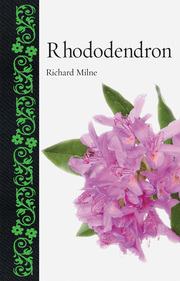
|
Has a group of plants ever inspired such love in some, and hatred in others, as rhododendrons? Their propensity towards sexual infidelity makes them popular with horticultural breeders, and early plant collectors faced mortal peril to bring stunning new species back to life. They can clothe whole hillsides or gardens with colour. But there is a darker side to these plants. Numerous Chinese folk tales link them with tragedy and death. They can poison livestock and intoxicate humans, and their narcotic honey has been used as a weapon of war. Rhododendron ponticum has run riot across the British countryside, but the full story of this implacable invader contains many surprises.
Richard Milne explores the many ways in which rhododendrons have influenced human societies, relating this to the extraordinary story of the plants’ evolution. Tales are told of mythical figures, intrepid collectors and eccentric plant breeders. More than a thousand species exist, ranging from rugged trees on Himalayan slopes to rock-hugging alpines. However much you know about rhododendrons, this book will tell you something new. |
| |
|
| SE02-488 |
Practical Plant Breeding. |
| |
Jan M. Lucht/ 9781682511961/ Price:US$ 170.00
|
| |
|
|
Plant breeding is the art and science of changing the traits of plants in order to produce desired characteristics. The objective of this book is to present some of the recent advances of plant breeding, exemplifying novel views, approaches, research efforts, achievements, challenges and perspectives in breeding of some crop species. |
| |
|
| SE02-488 |
Plant Physiology, Biochemistry and Biotechnology. |
| |
Susanne Berger/ 9781682501382/ Price:US$ 170.00
|
| |
|
|
Plants produce a vast array of chemical compounds with unique properties which they use to cope with their environment. The biotechnology of plant is the art and science of changing the traits of plants in order to produce desired characteristics. This book focuses on the plants physiology, plant biochemistry and biotechnology effects. |
| |
|
| SE02-456 |
Microbiology and Plant Pathology. |
| |
Liu, Rong/ 9781682501399/ Price:US$ 170.00
|
| |
|
|
Plant pathology is the scientific study of diseases in plants caused by pathogens and environmental conditions. Whereas plant microbiology and plant pathology is the study of the interactions between microorganisms and plants and plant pathogens. This book describes how transgene expression is controlled in plants and how advanced information strategies can be used to manipulate and modify the plant genome. |
| |
|
| SE02-456 |
Plant Biochemistry. |
| |
Broz, Amanda K./ 9781682501566/ Price:US$ 170.00
|
| |
|
|
Plant Biochemistry is not only an important field of basic science explaining the molecular function of a plant, but also an applied science that is in the position to contribute to the solution of agricultural problems. This book provides on the plant sciences with a concise general account of plant biochemistry and also there is a strong emphasis on plant metabolism as well as enzymology. |
| |
|
| SE02-456 |
Plant Gene Expression. |
| |
Casassola, Alice/ 9781682502228/ Price:US$ 170.00
|
| |
|
|
|
|
| |
|
| SE02-456 |
Plant Cell Wall Patterning and Cell Shape. |
| |
Ambrose, Chris/ 9781682502419/ Price:US$ 170.00
|
| |
|
|
|
|
| |
|
| SE02-456 |
Transgenic Plants: Advances and Limitations. |
| |
Vassilakos, Nikon/ 9781682502709/ Price:US$ 170.00
|
| |
|
|
|
Transgenic plants are the ones, whose DNA is modified using genetic engineering techniques. The aim is to introduce a new trait to the plant which does not occur naturally in the species. A transgenic plant contains a gene or genes that have been artificially inserted. The inserted gene sequence is known as the transgene, it may come from an unrelated plant or from a completely different species. The purpose of inserting a combination of genes in a plant, is to make it as useful and productive as possible. Development of efficient transformation protocols is becoming a complementary strategy to conventional breeding techniques for the improvement of crops. Transgenic Plants: Advances and Limitations covers the recent advances carried on improvement of transformation methods together with assessment of the impact of genetically transformed crops on biosafety. |
| |
|
| SE02-456 |
Horticulture: Intermediate (Book With DVD) (Workbook Included) |
| |
/ 9789351158554/ Price:US$ 99.95
|
| |
|
|
Horticulture: Intermediate combines many different practical and visual skills with knowledge of specialized materials and techniques. Horticulture boasts great popularity in the United States and throughout the world. It has also been common throughout history for people to raise fruits and vegetables in small gardens to supplement their diets. It has also been common throughout history for people to raise fruits and vegetables in small gardens to supplement their diets. A healthy industry creates job opportunities. |
| |
|
| SE02-456 |
Horticulture: Advanced (Book With DVD) (Workbook Included) |
| |
/ 9789351158561/ Price:US$ 99.95
|
| |
|
|
Horticulture: Advanced combines many different practical and visual skills with knowledge of specialized materials and techniques. Horticulture is the branch of agriculture that deals with the art, science, technology, and business of vegetable garden plant growing. It includes the cultivation of medicinal plants, fruits, vegetables, nuts, seeds, herbs, sprouts, mushrooms, algae, flowers, seaweeds and non-food crops such as grass and ornamental trees and plants.. This book will introduce the knowledge and skills for those studying and/or working in horticulture. |
| |
|
| SE02-456 |
Climate Dynamics in Horticulture. |
| |
R de la Pena/ 9781682500279/ Price:US$ 170.00
|
| |
|
|
Climate change and increased climate variability in terms of rising temperatures, shifting rainfall patterns, and increasing extreme weather events, such as severe drought and devastating floods, posture a hazard to the production of agricultural and horticultural crops. This book gives an introduction to recent trends about the climate change effects on horticulture, provides information regarding important fruit crops, flowers, spices and plantation crops. The book is a tremendous resource for researchers; instructors; students in agriculture, horticulture and environmental science. |
| |
|
| SE02-456 |
Biotechnology and Plant Pathology: Current Trends. |
| |
Perez-Clemente, Rosa M./ 9781682500514/ Price:US$ 170.00
|
| |
|
|
Plant biotechnology ushers in a new era for plant scientists working to maintain healthy plants, optimize crop yields, and minimize pesticide usage. One of the ultimate aims of agricultural biotechnology is to feed an expanding world population. Considering the rapid pace with which biotechnology has been advancing in its progress, it comes as no surprise that plant pathology today has undergone vast changes. The study of plant diseases, their causes and the changes they produce in the cells, tissues and organs has been greatly aided by the continual enhancement of biotechnology principles and processes, particularly that of genetic engineering. This book provides current developments and advances in the field of plant pathology and biotechnology, particularly within the context of the widening scope of such arenas as biochemistry. Emphasizing upon the principles, techniques and processes associated with it, the text gives space to covering critical perspectives which look into the future prospects, challenges and advantages offered by these trends. |
| |
|
| SE02-456 |
Cell and Molecular Biology of Plants. |
| |
Meyer, Katja/ 9781682501276/ Price:US$ 170.00
|
| |
|
|
Cell and Molecular Biology of plants are an interdisciplinary field that deals with the gene methodology for identification of mutation and the methodology for isolation of nucleic acids from all types of organisms, such as fungi and plants. |
| |
|
| SE02-456 |
Biology and Diversity of Plants. |
| |
Eisenhauer, Nico/ 9781682501290/ Price:US$ 170.00
|
| |
|
|
Biological diversity of plants ensures a resource for new food crops and medicines. This is invaluable because it balances ecosystems, protects watersheds, mitigates erosion, moderates climate, and provides shelter for animals. This book discusses theoretical approaches to the biological systems theory and problem of plant diversity and also presents precision farming techniques. |
| |
|
| SE02-456 |
Plant Physiology and Metabolism. |
| |
Kim, Yumi/ 9781682501313/ Price:US$ 170.00
|
| |
|
|
Plant physiology and metabolism are a sub-discipline of botany concerned with the functioning, or physiology, of plants. It includes the study of all the internal activities of plants those chemical and physical processes associated with life as they occur in plants. This book focuses on the principles of plant physiology and metabolism from the molecular level to whole plants, on the mechanisms of plant-environment interactions. |
| |
|
| SE02-456 |
Plant Development and Reproduction. |
| |
Shi, Jinlei/ 9781682501320/ Price:US$ 170.00
|
| |
|
|
|
|
| |
|
| SE02-456 |
Plant Ecology. |
| |
Tng, David Y. P./ 9781682501337/ Price:US$ 170.00
|
| |
|
|
|
|
| |
|
| SE02-456 |
Diversity of Seed Plants. |
| |
Bai, Fang/ 9781682501375/ Price:US$ 170.00
|
| |
|
|
|
Seed plants, including gymnosperms and angiosperms, have come to dominate modern landscapes and make up the great majority of plant biodiversity. This book provides the different types of diversity of seed plants. |
| |
|
| SE02-456 |
Understanding Plant Anatomy. |
| |
Shiotsu, Fumitaka/ 9781682511985/ Price:US$ 170.00
|
| |
|
|
Plant anatomy is the study of the physical structure of plants. It is also known as phytoanatomy, with a practitioner of this scientific discipline being known as a phytoanatomist. This book highlights the important contribution made by studying anatomy to the solutions of a number of present and future problems. |
| |
|
| SE02-456 |
Thallophytes. |
| |
Sweet, Michael J./ 9781682510414/ Price:US$ 170.00
|
| |
|
|
The thallophytes are a polyphyletic group of non-mobile organisms. They were a defunct division of Kingdom Plantae that included fungus, lichens and algae and occasionally bryophytes, bacteria and the myxomycota. They were a defunct division of Kingdom Plantae that included fungus, lichens and algae and occasionally bryophytes, bacteria and the Myxomycota. They have a hidden reproductive system and hence they are also called cryptogamae, as opposed to phanerogamae. The book focuses on reproductive system and physical characteristics of thallophytes. |
| |
|
| SE02-456 |
Bryophytes, Pteridophytes, and Gymnosperms. |
| |
Dai, Do N./ 9781682510421/ Price:US$ 170.00
|
| |
|
|
Bryophytes and pteridophytes are two large groups of spore producing land plants. Bryophytes are a group of small, mostly non-vascular, land plants that share a unique life cycle having a dominant gametophyte. The spore producing body called sporophyte is permanently attached to the sexual body called gametophyte. The gametophytic bodies of bryophytes can be either thalloid or leafy. The pteridophytes, which include the ferns and fern allies, are a group of vascular land plants with a dominant sporophytic body. The gametophytic body, the prothallus, is minute, often heart-shaped and free living. Like bryophytes, members of pteridophytic group do not produce seeds but only spores. Angiosperms are seed-producing plants like the gymnosperms and can be distinguished from the gymnosperms by characteristics including flowers, endosperm within the seeds, and the production of fruits that contain the seeds. The book details the reproductive system and physical characteristics of bryophytes, pteridophytes, and gymnosperms. |
| |
|
| SE02-456 |
Angiosperm Anatomy and Embryology. |
| |
Bliss, Barbara J./ 9781682510438/ Price:US$ 170.00
|
| |
|
|
Angiosperms are seed-producing plants like the gymnosperms and can be distinguished from the gymnosperms by characteristics including flowers, endosperm within the seeds, and the production of fruits that contain the seeds. This book is intended to demonstrate how embryological characteristics can be practically applied to systematic and evolutionary studies to show which bryological characters are most likely to be useful for the studies at a given taxonomic level. |
| |
|
| SE02-456 |
Angiospem Taxonomy and Gymnosperms. |
| |
Taia, Wafaa K./ 9781682510445/ Price:US$ 170.00
|
| |
|
|
Taxonomy is the science of naming, describing and classifying organisms and includes all plants, animals and microorganisms of the world. Taxonomy identifies and enumerates the components of biological diversity providing basic knowledge underpinning management and implementation of the convention on biological diversity. Angiosperms are a taxonomic class of plants in which the mature seed is surrounded by the ovule. Living gymnosperms are a diverse group of plants, most of which bear their sporangia in large, prominent strobili or cones. These strobili are similar to those of lycopsids and horsetails. Strobili consist of a shortened stem with several modified leaves that bear sporangia. Like all seed plants, gymnosperms are heterosporous. The sporangia that generate the male microspores and female megaspores are usually borne on separate cones. This book deals with the principles of angiosperm taxonomy and gymnosperms. |
| |
|
| SE02-456 |
Advances in Horticulture Science Research. |
| |
Bijalwan, Arvind/ 9781682511756/ Price:US$ 180.00
|
| |
|
|
Horticulture is the branch of agriculture that deals with the art, science, technology, and business of vegetable garden plant growing. It differs from botany and other plant sciences in that horticulture incorporates both science and aesthetics. This book introduces the key concepts such as plant propagation, media, nutrients and fertilizers, plants and the environment, plant growth regulators, post-harvest physiology and pest management, greenhouse structures, nursery site selection, development and facilities, producing nursery crops. |
| |
|
| SE02-456 |
Biotechnology and Plant Genetic Resources. |
| |
Keilwagen, Jens/ 9781682511787/ Price:US$ 170.00
|
| |
|
|
Plant genetics is a very broad term, there are many facets of genetics in general, and of course there are many facets to plants. Genetic in plant is of fundamental importance in the continuity of a species as it provides the necessary adaptation to the prevailing biotic and abiotic environmental conditions. The purpose of the book is to provide a glimpse into the dynamic process of genetic variation by presenting the thoughts and presenting the generation of new ideas and techniques employed for the assessment of genetic diversity, often from very different perspectives. |
| |
|
| SE02-456 |
Floriculture: Fundamentals and Practices. |
| |
Park, Chang H./ 9781682511824/ Price:US$ 170.00
|
| |
|
|
Floriculture is a branch of horticulture concerned with the propagation of ornamental plants, with a focus on flowering plants specifically. It includes cultivation of flowering and ornamental plants for direct sale or for use as raw materials in cosmetic and perfume industry and in the pharmaceutical sector. This book provides the production of planting materials through seeds, cuttings, budding and grafting also it can be defined as the art and knowledge of growing flowers to perfection. |
| |
|
| SE02-456 |
Modern Plant Pathology. |
| |
Soares, Dartanha J./ 9781682511916/ Price:US$ 170.00
|
| |
|
|
Plant pathology is the scientific study of diseases in plants caused by pathogens and environmental conditions. It also involves the study of pathogen identification, disease etiology, disease cycles, economic impact, plant disease epidemiology, plant disease resistance. This book is intended to provide a theoretical treatment of plant pathology and broad ecological relationships among organisms. |
| |
|
| SE02-456 |
Mycorrhizal Biotechnology. |
| |
Ibrahima Leopold Djitiningo Diatta/ 9781682511930/ Price:US$ 180.00
|
| |
|
|
Mycorrhizal is a symbiotic association composed of a fungus and roots of a vascular plant. In a mycorrhizal association, the fungus colonizes the host plant’s roots, either intracellularly as in arbuscular mycorrhizal fungi, or extracellularly as in ectomycorrhizal fungi. This book emphasizes the biotechnological application of mycorrhizae to promote the production of food while maintaining ecologically and economically sustainable production systems. |
| |
|
| SE02-456 |
Plant Tissue Culture Techniques and Experiments |
| |
Ho, Josie/ 9781682511947/ Price:US$ 170.00
|
| |
|
|
Plant tissue culture is a collection of techniques used to maintain or grow plant cells, tissues or organs under sterile conditions on a nutrient culture medium of known composition. Plant tissue culture is widely used to produce clones of a plant in a method known as micropropagation. Different techniques in plant tissue culture may offer certain advantages over traditional methods of propagation. This book provides a diverse learning experience and techniques appropriate for students, researchers, and professionals. |
| |
|
| |
Handbook of Plant Pathology |
| |
Nadia Kolosov/ 9781680950533/ Price:US$ 165.00
|
| |
|
|
In this handbook, we discuss about the plant pathology. Plant pathology is the scientific study of plant diseases caused by pathogens and environmental conditions. Organisms that cause infectious disease include fungi, oomycetes, bacteria, viruses, viroids, virus-like organisms, phytoplasmas, protozoa, nematodes and parasitic plants. |
| |
|
| SE02-477 |
Fifty Plants That Changed the Course of History |
| |
Bill Laws/ 9781770855885/ Price:NT$ 699.00
|
| |
|
|
|
|
| |
|
| SE02-448 |
Plant Behaviour and Intelligence. |
| |
Trewavas, Anthony/ 9780198753681/ Price:GBP 36.49
|
| |
|
|
|
|
| |
|
| |
Weeds. |
| |
Edwards, Nina/ 9781780234274/ Price:GBP 18.00
|
| |
|
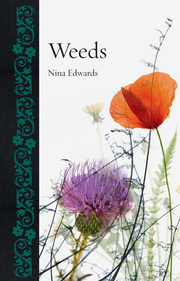
|
We spray them, pluck them and bury them under mulch, and we curse their resilience when they spring back into place. To most of us, weeds can seem nothing more than intruders in gardens, farms and city streets. They spring up unwanted and are hastily removed without a second thought. Superweeds are characterized as malevolent trespassers, intent on destroying humanity’s carefully cultivated allotments and trails.
But the idea of the weed is a slippery one, constantly changing according to different needs, fashions and contexts. In a well-ordered field of corn, a scarlet poppy is a bright red intruder, but in other parts of the world it is an important cultural symbol, a potent and lucrative pharmaceutical source, or simply a beautiful ornament. Fat hen, which today we consider a pest, was in Neolithic times a staple crop, its seeds an important source of nutrition. Weeds sketches the history of the fashions and attitudes that have shaped our fields and gardens, showing that what we keep out of them is just as fascinating as what we put in. |
| |
|
| |
Recent Developments in Plant Genomics |
| |
Xiang Then/ 9781680950588/ Price:US$ 145.00
|
| |
|
|
In this book, we study about the recent developments in plant genomics. Plant genomics is an increasingly important area of science that has expanded in recent years. Genetic modification of plants is achieved by adding a specific gene or genes to a plant, or by knocking down a gene with RNAi, to produce a desirable phenotype. |
| |
|
| |
The Molecular Life of Plants |
| |
David Cena/ 9781680942330/ Price:US$ 150.00
|
| |
|
|
In this book, we discuss the molecular life of plants. It looks at the pro- cesses and mechanisms that underlie each stage of plant life and de-scribes the intricate network of cellular, events through which plants make life on land possible. |
| |
|
| |
Apple. |
| |
Reiss, Marcia/ 9781780233406/ Price:GBP 18.00
|
| |
|
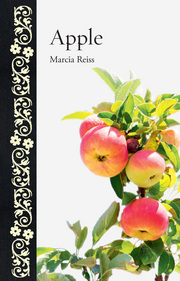
|
This book explores the apple’s history and the latest debates about the use of agrichemicals, the rise of organic and heirloom orchards, and the hopes and fears of genetic crop modification. Beautifully illustrated with historic and contemporary images, and with a directory of popular and heirloom varieties, Apple is a mouth-watering exploration of this fascinating fruit. |
| |
|
| |
Cannabis. |
| |
Duvall, Chris/ 9781780233413/ Price:GBP 18.00
|
| |
|

|
This book does not advocate either the prohibition or legalization of the drug but challenges received wisdom on both sides of the debate. Cannabis explores and analyses a wide range of sources to provide a better understanding of its current prohibition, as well as of the diversity of human–cannabis relationships across the globe. This, the author argues, is necessary to redress the oversimplistic portrayals of marijuana and hemp that have dominated discourse on the subject, and ultimately to improve how the crop is managed worldwide. This highly accessible, richly illustrated volume is an essential read given rapidly evolving debates about legality and in light of changes in the criminalization of marijuana in Uruguay, some U.S. states and other jurisdictions worldwide. |
| |
|
| |
Willow. |
| |
Syme, Alison/ 9781780232928/ Price:GBP 18.00
|
| |
|
|
|
Willow tells the rich tale of this many-sided plant, exploring its presence in literature, art and human history. Linked with life and death, grief and joy, toil and play, necessity and ornament, the willow has, in different times and places, functioned as a mirror of and participant in almost every facet of human existence. Although willows have been put to manifold practical uses, Alison Syme argues powerfully that we must also heed their poetic lessons: willows have much to teach us about living, dying and loving, hybridizing and enriching our world and protecting the environment. |
| |
|
| |
Grasses. |
| |
Harris, Stephen/ 9781780232737/ Price:GBP 18.00
|
| |
|
|
|
Grasses explains the history of our relationship with these humble yet vital plants from the end of the last Ice Age to the present day. Perhaps more than any other plant, grasses show the effects of human influence: farmed on a massive scale, they are the ultimate staple crop. In turn we are also influenced by grasses, often fighting to preserve our ‘green space’ and public parks. Stephen Harris describes this relationship against the background of our heightened awareness of climate change: in the future we will have to balance our needs of grass as food, grass as living space and potentially even grass as fuel.
Mixing biology, sociology and cultural history, Grasses provides us with arguably the fullest exploration yet of what grasses mean and have meant: their profound importance to our survival but also to our pleasure, our diets and our minds. Featuring numerous botanical images as well as many fine examples from art and popular culture, Grasses is a must-have for gardeners, food lovers and environmentalists alike. |
| |
|
| SE02-453 |
Field Manual of Diseases on Trees and Shrubs. |
| |
Horst, R. K./ 9789400759794/ Price:EUR 179.99
|
| |
|
|
|
|
| |
|
| SE02-428 |
Hemp: Industrial Production and Uses. |
| |
Bouloc, Pierre/ 9781845937928/ Price:GBP 47.90
|
| |
|
|
|
|
| |
|
| SE02-482 |
Plant Nutrition and Soil Fertility Manual |
| |
J. Benton Jones/ 9781138416048/ Price:GBP 235.00
|
| |
|
|
|
|
| |
|
| SE02-463 |
Horticultural Reviews, Volume 39. |
| |
Janick, Jules/ 9781118096789/ Price:US$ 304.95
|
| |
|
|
|
|
| |
|
| SE02-454 |
Horticultural Reviews. |
| |
Janick, Jules/ 9781118345832/ Price:US$ 285.95
|
| |
|
|
|
|
| |
|
| SE02-415 |
Pests of Ornamental Trees, Shrubs and Flowers. |
| |
Alford, David V./ 9781840761627/ Price:GBP 210.00
|
| |
|
|
|
|
| |
|
| |
Oak. |
| |
Young, Peter/ 9781780230375/ Price:GBP 18.00
|
| |
|

|
In Oak, Peter Young illuminates and examines this magnificent and ubiquitous tree, tracing its biological history in its many manifestations, natural and cultural. Much-loved internationally, the oak is to be found in works of art, folk-tales, poems and songs. Oak narrates the biography of the tree that since time immemorial has been a symbol of loyalty and strength, generosity and renewal. |
| |
|
| SE02-446 |
Plant Tissue Culture, Development, and Biotechnology. (With CD+DVD) |
| |
Trigiano, Robert N./ 9781420083262/ Price:GBP 129.99
|
| |
|
|
|
|
| |
|
| SE02-409 |
Turfgrass Physiology and Ecology. |
| |
Bell, Gregory E./ 9781845936488/ Price:GBP 39.95
|
| |
|
|
|
|
| |
|
| SE02-376 |
Plant Molecular Biotechnology. |
| |
Mahesh, S./ 9781906574147/ Price:GBP 40.00
|
| |
|
|
|
The book provides background knowledge on the molecular biology of plants and a comprehensive description of plant biotechnology. It is in three parts. Part A deals with an overview of Plant Molecular Biology. Part B is concerned with Plant Tissue Culture. Part C is about Plant Genetic Engineering and Biotechnological Applications.
Several transgenic applications dealt with in detail are in areas of engineering plants for stress tolerance, metabolic engineering of plants, transplastomic technology, crop protection, and antisense technology in plants. One of the highlights of this book is that it presents the concepts of both plant molecular biology and plant biotechnology. |
| |
|
| |
Plants Lives: Borderline Beings in Indian Traditions. |
| |
Findly, Ellison Banks/ 9788120832923/ Price:US$ 67.00
|
| |
|
|
|
|
| |
|
| SE02-350 |
Forest Products Annual Market Review 2006-2007. |
| |
Economic Commission for Europe/ 9789211169713/ Price:US$ 40.00
|
| |
|
|
|
|
| |
|
| SE02-379 |
Plant Nematology. |
| |
Perry, Roland N./ 9781845930561/ Price:GBP 65.00
|
| |
|
|
|
|
| |
|
| SE02-417 |
Bacterial Plant Pathology: Cell and Molecular Aspects. |
| |
Sigee, David C./ 9780521619677/ Price:GBP 38.99
|
| |
|
|
|
|
| |
|
| SE02-408 |
Cultural Memory and Biodiversity. |
| |
Nazarea, Virginia D./ 9780816525478/ Price:US$ 24.95
|
| |
|
|
|
|
| |
|
| |
Killer Foods : When Scientists Manipulate Genes, Better is Not Always Best. |
| |
Fox, Michael W./ 9781592284474/ Price:US$ 16.95
|
| |
|
|
|
|
| |
|
| SE02-392 |
Diseases of Herbaceous Ornamentals and Roses.(CD-ROM) |
| |
APS Press/ 54AU3294/ Price:US$ 299.00
|
| |
|
|
|
|
| |
|